Casablanca – African Development Bank Group is expanding its support for Morocco’s agricultural transformation as the Kingdom seeks to build a more resilient, inclusive and technology-driven farming sector capable of coping with climate stress, water scarcity and changing global markets.
The partnership centers on a series of programs launched under Morocco’s two flagship agricultural strategies: the Green Morocco Plan, introduced in 2008, and the Green Generation 2020–2030 strategy. Together, these initiatives aim to modernize production systems, strengthen agricultural value chains, improve water efficiency and create new opportunities for young people and women in rural areas.
Agriculture remains one of Morocco’s most strategic sectors, providing employment for more than 75% of the rural workforce and playing a central role in food security and export growth. However, repeated droughts, declining rainfall, and rising pressure on water resources have highlighted the need for a deeper transformation of the sector.
According to the African Development Bank, the objective is to support the emergence of a more precise and sustainable agricultural model that uses advanced technologies, conserves natural resources and generates higher value-added products.
Foundation laid by the Green Morocco Plan
The Green Morocco Plan marked the first major stage of Morocco’s agricultural modernization. The African Development Bank contributed approximately $500 million to the program, helping to mobilize nearly $950 million in additional investment from public and private partners.
This first phase focused on restructuring agricultural value chains, modernizing farms and improving the competitiveness of Moroccan agricultural products. One of the most significant achievements was the conversion of 366,000 hectares to localized irrigation systems, which use water more efficiently and improve crop yields.
The program also created around 3,300 direct jobs and encouraged stronger private-sector participation in agribusiness and processing activities.
Green Generation 2020–2030 broadens the strategy
Building on the achievements of the Green Morocco Plan, Morocco launched the Green Generation strategy to place greater emphasis on human capital, innovation and value creation.
The strategy seeks to strengthen the role of young entrepreneurs and women, improve governance, and move agriculture beyond a focus on production volumes toward a model centered on quality, processing and export potential.
A mid-term review of the strategy is underway, and authorities are developing an integrated monitoring platform designed to provide real-time data on implementation and performance, enabling policymakers to identify bottlenecks and accelerate priority projects.
Strengthening agricultural value chains
To support more competitive and integrated agricultural sectors, the African Development Bank approved about $216 million for a program dedicated to the inclusive and sustainable development of agricultural value chains.
The initiative aims to improve governance, expand rural employment and attract private investment. It also supports Morocco’s target of increasing agricultural exports to around $4.6 billion by 2030 and mobilizing more than $412 million in additional private investment.
The development of agro-industrial zones and processing platforms is helping connect farmers more directly with domestic and international markets, enabling higher-value production and stronger export performance.
Climate resilience and cereal production
Climate adaptation is a central component of Morocco’s agricultural strategy. To improve cereal production, the African Development Bank allocated approximately $215 million to a program aimed at building a more competitive and resilient grain sector.
The initiative is expected to benefit nearly 980,000 farmers by increasing productivity, improving sector governance and encouraging farming techniques that use fewer natural resources.
It also aims to reduce Morocco’s cereal imports by 20% by 2030, helping strengthen food security while supporting higher incomes for farmers.
Water management at the heart of reform
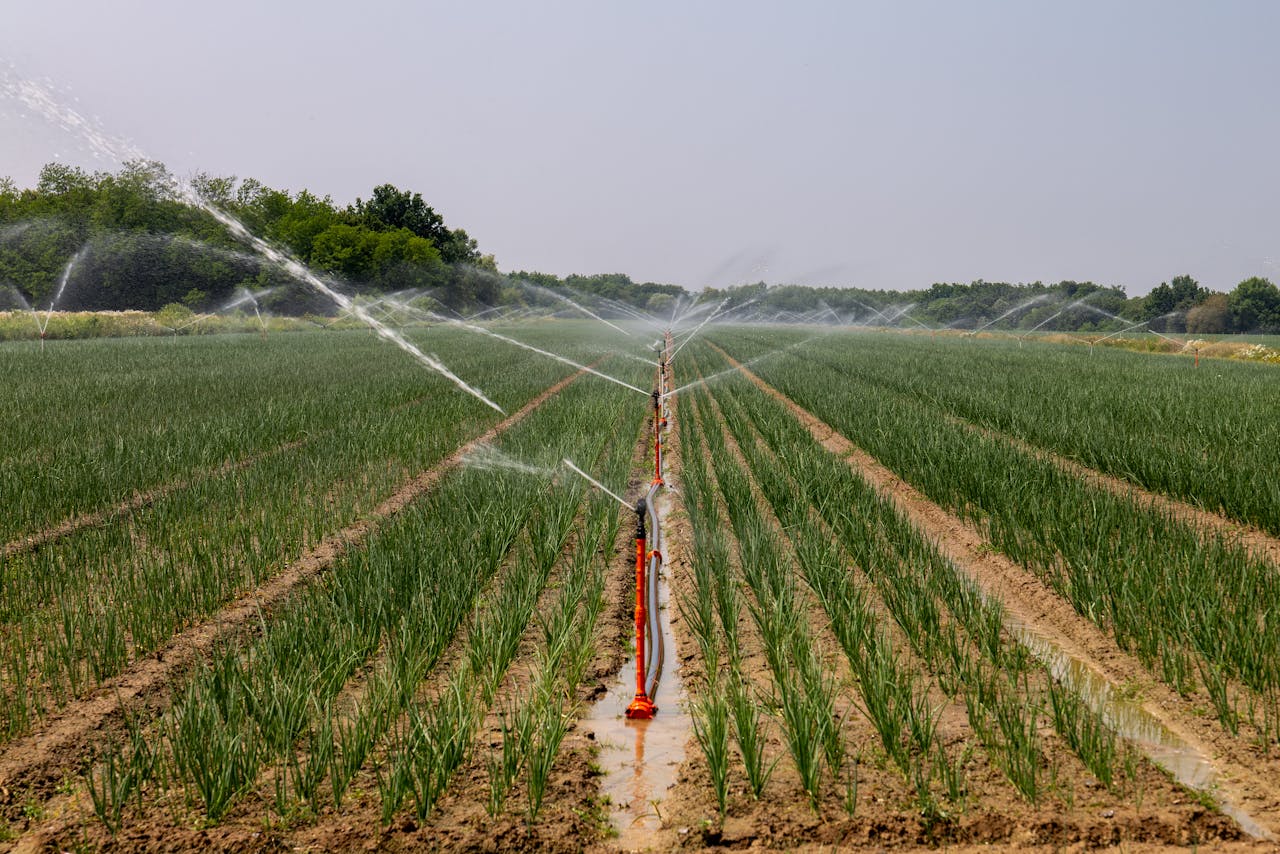
Water efficiency remains a top priority as Morocco faces persistent hydric stress. Through the National Irrigation Water Saving Program, the African Development Bank provided more than $57 million to support the deployment of modern irrigation systems.
Over 45,000 hectares have been upgraded under the project, generating estimated water savings of 10% to 15% in the targeted areas.
These investments are intended to help maintain agricultural productivity while reducing pressure on increasingly limited water resources.
Investing in youth and women
Social inclusion is a key pillar of Morocco’s agricultural transformation. The African Development Bank committed around $108 million to an inclusive agricultural entrepreneurship program designed to support women and young people.
The initiative facilitates access to financing, promotes business creation and encourages the rise of a new generation of rural entrepreneurs.
In parallel, a separate program worth approximately $123 million is improving living conditions in vulnerable agricultural and rural zones. The project benefits farmers operating on nearly 14,000 farms and strengthens cooperatives and agricultural organizations.
These efforts are intended to foster the emergence of a stronger rural middle class and reduce disparities between urban and rural communities.
Sustainable management of natural resources
Beyond agriculture, the African Development Bank is supporting sustainable forestry and aquaculture development through a program valued at around $91 million.
The initiative includes land restoration, improved water-cycle management and the development of new economic activities linked to forest and aquatic resources. More than six million people in targeted rural areas are expected to benefit.
Long-term partnership
The African Development Bank’s support reflects the importance of agriculture in Morocco’s broader economic strategy. By combining infrastructure investment, climate adaptation, social inclusion and private-sector development, the partnership is helping transform the sector into a more productive and sustainable engine of growth.
As Morocco continues to adapt to climate change and rising resource constraints, these investments are expected to strengthen food security, expand exports and create new opportunities across rural regions.