



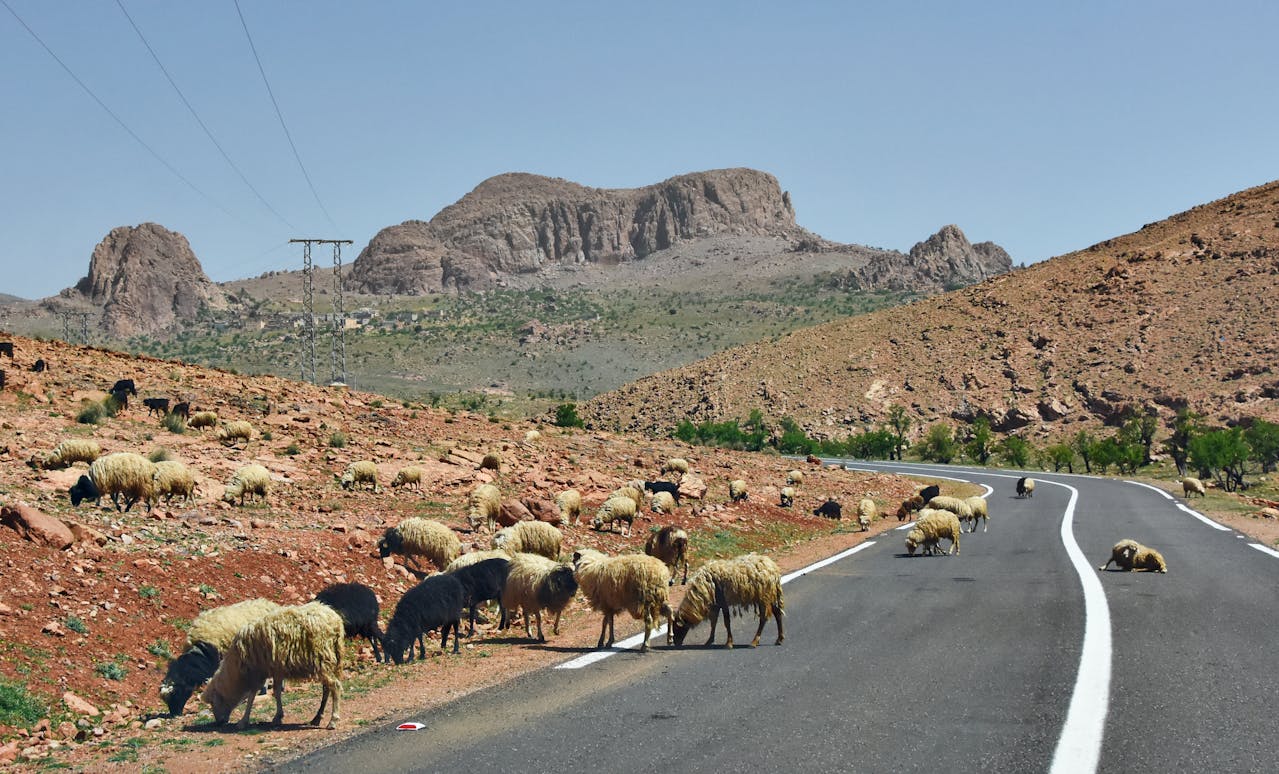
Casablanca – As Eid al-Adha approaches in Morocco, early indicators from the livestock sector suggest a market characterized by improved supply conditions and relatively stable prices compared to previous years. These trends are based on observations shared by professionals during the International Agricultural Exhibition in Meknes, a key national platform for agricultural and livestock exchange.
Breeders and sector professionals report that the current availability of sacrificial animals exceeds demand at this stage of the season. This surplus supply is contributing to a wider range of choices for consumers and helping to stabilize price levels in most markets. The situation is being described by some operators as more balanced than in recent years, when tighter supply conditions had led to sharper price increases closer to the holiday period.
The exhibition in Meknes has also highlighted broader structural changes in Morocco’s livestock sector. One of the main developments is the increasing use of genetic selection and artificial insemination to improve herd productivity, fertility, and resilience. At the same time, local breeds continue to play an important role due to their adaptability to Morocco’s climatic conditions, particularly in rural and semi-arid regions.
Alongside local genetic resources, breeders are also integrating high-yield international breeds in order to improve production efficiency, especially in milk and meat output. This dual approach reflects a gradual transition toward a more hybrid production model that combines productivity with environmental adaptation.
Professionals also point to improved traceability systems in livestock farming. Animals presented at the exhibition are often accompanied by detailed technical cards indicating age, breed, weight, origin, and other key data. This shift is part of a broader effort to make livestock trade more structured and transparent, particularly in preparation for peak seasonal demand.
Artificial insemination is increasingly viewed as a key tool in this transformation. It is used to enhance genetic quality and improve resistance to climate stress, which has become more frequent in recent years due to irregular rainfall and rising temperatures. These climatic pressures have affected pasture availability and production costs, pushing breeders to adopt more controlled and efficient production methods.
On the ground, livestock professionals note that the current market conditions allow for a broad price range, enabling households to select animals according to their purchasing power. Breeders participating in the exhibition emphasize that this period, before demand intensifies, is generally the most favorable time for purchasing sacrificial animals.
However, some professionals also warn of the recurring role of intermediaries during peak demand periods. These actors may purchase livestock in bulk and resell it at higher margins, which can temporarily drive up prices in the final days before Eid. Such practices are often more visible when demand sharply increases in urban markets.
In addition, breeders have urged consumers to be cautious about unverified price information circulating on social media platforms, arguing that some figures do not reflect actual market conditions observed in official or traditional livestock markets.
Eid al-Adha, one of Morocco’s most important religious celebrations, traditionally involves the ritual sacrifice of sheep or goats, symbolizing faith, devotion, and communal sharing. In recent years, however, the practice has also been influenced by economic pressures, including rising feed costs, climate-related challenges, and fluctuations in livestock supply.
Last year, the celebration was marked in many regions by concerns over cost levels and supply constraints, which had created pressure on household budgets. These conditions were linked to a combination of factors, including drought conditions that reduced grazing resources and increased reliance on purchased feed, raising production costs for breeders. In this context, the slaughtering rituals were exceptionally suspended nationwide by royal decision, as part of efforts to ease pressure on livestock resources and support the recovery of the national herd. This measure had a direct impact on market dynamics and household consumption patterns during the period.
This year, early signals suggest a somewhat more favorable situation, supported by higher livestock availability and improved production planning. The increased use of modern breeding techniques and better organization within the sector are also contributing to more stable market conditions.
The livestock sector appears to be entering the Eid period with stronger supply fundamentals and a wider distribution of price options. While final market dynamics will still depend on demand in the coming weeks, current indicators point toward a relatively more balanced season, supported by structural improvements in production and distribution systems across the country.


