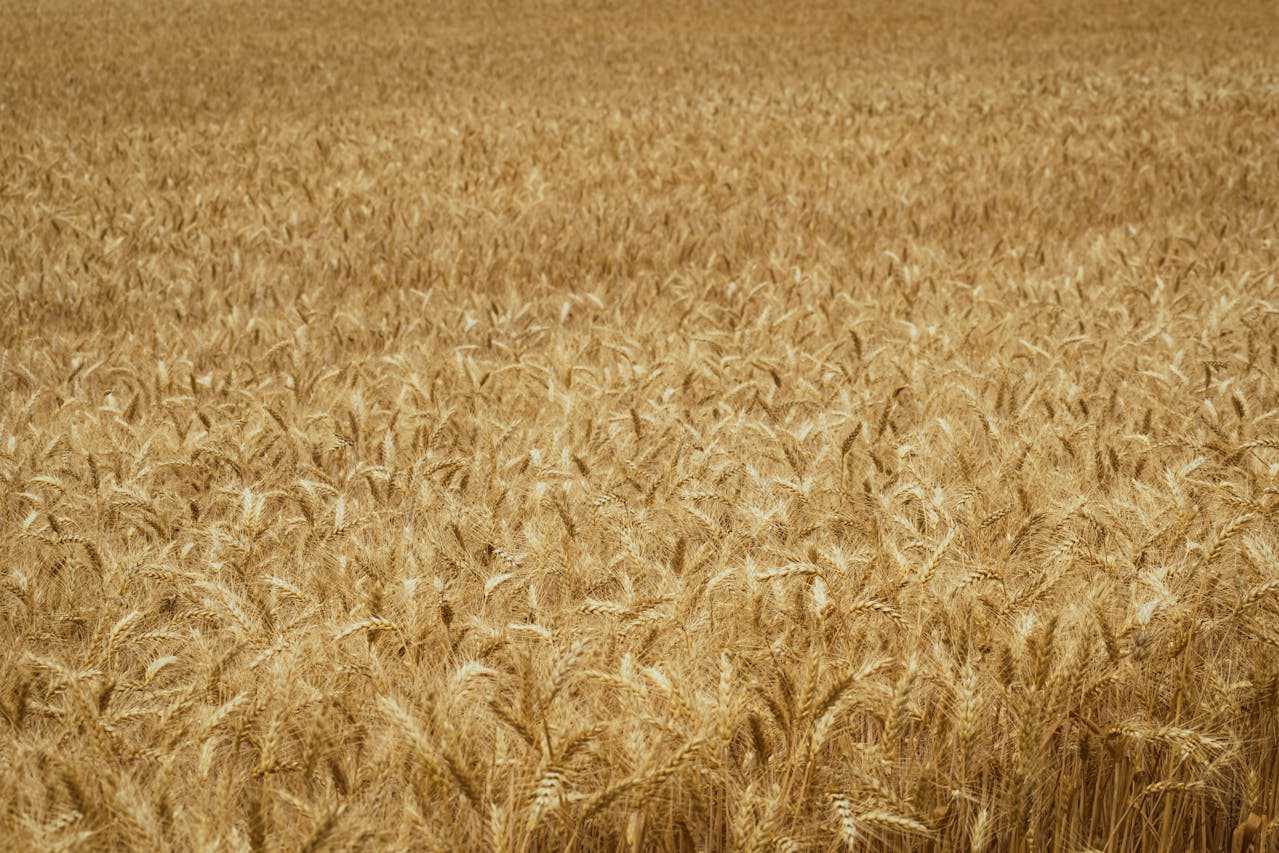
Casablanca – Morocco’s cereal imports surpassed 11 million tons during the 2025/2026 agricultural season, reflecting the country’s growing reliance on international markets to secure food supplies and meet the needs of its expanding livestock and poultry sectors.
Trade data covering the period from June 2025 to May 2026 show that Morocco imported approximately 11.1 million tonnes of cereals, marking an increase of about 9% compared with the previous agricultural season. The rise was driven primarily by stronger purchases of corn and durum wheat, while soft wheat maintained its position as the country’s most imported grain.
The figures highlight the increasingly strategic role of imports in Morocco’s food system as the country continues to manage the effects of recurring drought conditions, climate variability, and fluctuating domestic agricultural production.
Soft wheat remains the cornerstone of imports
Soft wheat continued to dominate Morocco’s cereal import basket during the season, with total arrivals reaching approximately 5.13 million tonnes. The grain accounted for nearly half of all cereal imports and remained essential for flour milling, bread production, and a wide range of food-processing activities.
Despite strong domestic efforts to support cereal cultivation, demand for soft wheat continues to exceed local production capacity in many years, making imports a critical component of national food supply chains.
Compared with the previous season, soft wheat imports increased by around 4%, reflecting stable consumption patterns and the continued importance of maintaining strategic reserves.
Corn demand reaches new highs
Corn emerged as the principal driver of import growth during the 2025/2026 season. Purchases climbed to approximately 3.76 million tonnes, representing about one-third of all cereal imports and recording an annual increase of 27%.
The expansion was largely linked to rising demand from poultry farms and livestock producers, which depend heavily on corn as a key feed ingredient. Morocco’s animal production sector has expanded significantly in recent years, increasing demand for imported feed commodities and strengthening links between domestic agriculture and global grain markets.
The sharp increase in corn imports added more than 800,000 tonnes compared with the previous season, making it the fastest-growing major cereal category.
Durum wheat gains importance
Durum wheat imports also registered solid growth, reaching approximately 1.23 million tonnes during the season. The grain accounted for around 11% of total cereal imports and recorded a year-on-year increase of 15%.
The growth reflects sustained demand from Morocco’s food industry, particularly producers of pasta, semolina, and other durum wheat-based products.
In contrast, barley imports experienced a substantial decline. Volumes fell by about 40% to approximately 530,000 tonnes, representing one of the most significant changes in the country’s grain purchasing structure. Analysts attribute the decrease to evolving feed requirements, changing market conditions, and increased reliance on alternative feed ingredients.
Strong activity through national ports
The increase in cereal imports reinforced the strategic importance of Morocco’s port infrastructure, which remains the backbone of the country’s agricultural supply chain.
Casablanca retained its position as the main gateway for grain imports, handling approximately 6.84 million tonnes during the season. The port processed the largest share of soft wheat shipments and served as a key distribution hub for the domestic market.
Jorf Lasfar ranked second with approximately 2.4 million tonnes of cereal traffic, benefiting from its role in handling large volumes of corn and feed-related products.
Agadir processed more than one million tonnes, while other ports, including Nador and Safi, continued to play important regional roles in receiving and distributing imported grain. The diversification of entry points helps reduce logistical pressures and improves the resilience of national supply networks.
Europe and the Americas dominate supply sources
Morocco’s cereal imports continue to be sourced from a diversified group of major agricultural exporters.
France remained the leading supplier of soft wheat, exporting more than 3.5 million tonnes to Morocco during the season. French grain maintained a dominant position thanks to established trade relationships, geographical proximity, and well-developed logistics connections.
Canada consolidated its status as Morocco’s primary supplier of durum wheat, providing approximately 1.23 million tonnes and accounting for virtually all imports in that category.
Argentina strengthened its role as a major supplier of both soft wheat and corn, while Brazil remained one of the largest exporters of corn to the Moroccan market. The United States also maintained a significant presence through exports of corn and animal feed ingredients.
This diversified sourcing structure helps Morocco reduce supply risks and maintain access to agricultural commodities from multiple regions of the world.
Animal feed imports continue to expand
Beyond cereals, Morocco imported substantial volumes of feed products needed to support livestock and poultry production.
Soybean meal imports approached one million tonnes during the season, reaching approximately 966,000 tonnes. The United States and Argentina were among the leading suppliers of this product.
Imports of sunflower meal exceeded 560,000 tonnes, while beet pulp and distillers dried grains with solubles (DDGS) also represented important components of the country’s feed supply chain.
The continued growth of these imports reflects the increasing industrialization of animal production and the sector’s dependence on internationally traded raw materials.
Food security remains a central challenge
The latest import figures underline the growing complexity of Morocco’s food security strategy. While international markets provide an essential source of cereals and feed ingredients, rising import volumes also expose the country to fluctuations in global commodity prices, transportation costs, and supply chain disruptions.
At the same time, the data demonstrate Morocco’s capacity to mobilize diversified sourcing channels and efficient logistics networks to secure strategic agricultural supplies.
With cereal imports exceeding 11 million tonnes and demand from both consumers and livestock producers continuing to rise, international procurement is expected to remain a fundamental pillar of Morocco’s food system. The challenge for policymakers and market operators will be to balance import requirements with efforts to strengthen domestic agricultural production, improve water-use efficiency, and enhance long-term resilience in the face of climate and market uncertainties.