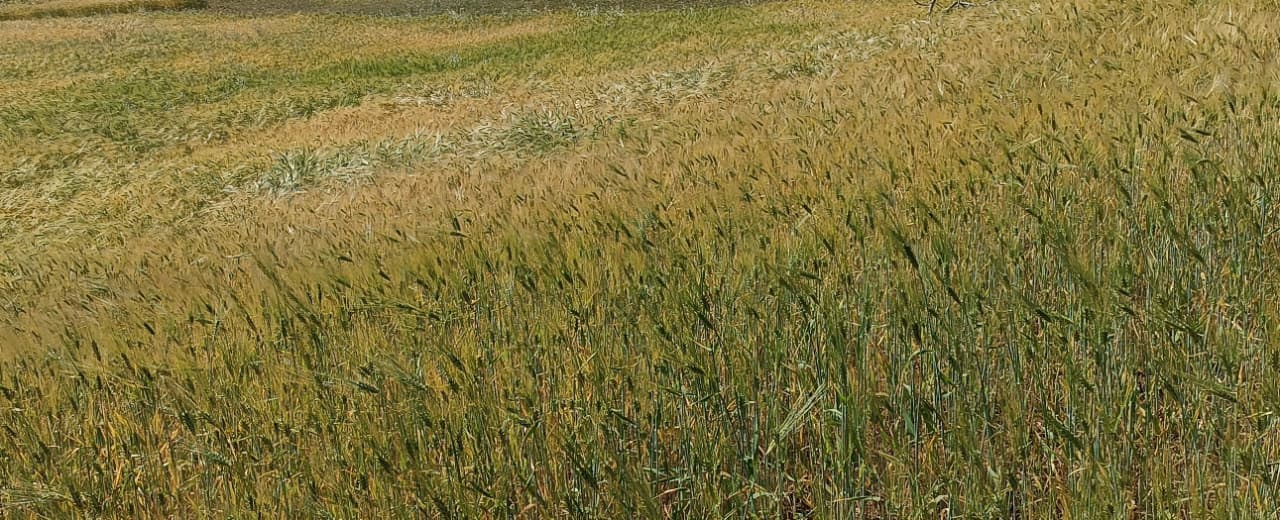
Casablanca – Morocco is set to record one of its strongest cereal harvests in recent years, with production expected to approach 90 million quintals as favorable weather conditions, government support measures, and improved farming performance contribute to a significant recovery in the agricultural sector.
The anticipated harvest comes after several challenging seasons marked by drought and water shortages that reduced crop yields and increased dependence on imports. This year, however, improved rainfall and targeted support programs have helped restore momentum to cereal production, while authorities are simultaneously advancing plans to strengthen strategic grain reserves and enhance long-term food security.
According to information presented by Agriculture Minister Ahmed El Bouari before the House of Councillors, preliminary harvest results indicate yields ranging from 15 to 57 quintals per hectare depending on regional conditions. The figures suggest a substantial improvement compared with recent seasons and point to stronger production across key agricultural regions.
Harvesting and marketing operations have accelerated steadily during June. Grain collection volumes surpassed 100,000 quintals per day during the second week of the month, reflecting the pace of activity as farmers bring their crops to market.
The regions of Casablanca-Settat, Fès-Meknès, and Marrakech-Safi continue to dominate national cereal production, accounting for approximately 84% of all grain collected so far this season. These regions remain the backbone of Morocco’s grain sector and are expected to contribute the largest share of the final harvest.
A key factor behind the recovery has been the marked improvement in rainfall. Cumulative precipitation reached approximately 571 millimeters by mid-June, representing an increase of 94% compared with the previous agricultural season and standing 45% above the average recorded during a typical year.
The improved climatic conditions have enhanced soil moisture levels and crop development across much of the country, helping reverse the effects of consecutive drought years. Officials view the current season as an important milestone in rebuilding agricultural output and strengthening the resilience of the farming sector.
Government support measures have also played an important role. Prior to the planting season, authorities made available 734,000 quintals of certified cereal seeds at subsidized prices and ensured the supply of approximately 500,000 tons of fertilizers to the domestic market.
Additional programs included support for soil, water, and crop testing, along with the continued expansion of direct-seeding practices designed to improve productivity and preserve soil quality. Authorities have also continued implementing a supplementary irrigation strategy aimed at expanding irrigated farmland to one million hectares by 2033.
At the same time, agricultural insurance coverage has been broadened, with particular attention given to supporting small and medium-sized farmers facing climatic and production-related risks.
Current forecasts indicate that Morocco’s cereal harvest could reach nearly 90 million quintals, including approximately 44 million quintals of soft wheat, 21 million quintals of durum wheat, and 25 million quintals of barley.
While increasing production remains a priority, the government is also placing growing emphasis on storage capacity and reserve management. Officials consider strategic grain stocks essential for protecting the country against fluctuations in international markets and potential disruptions to supply chains.
To support this objective, authorities are expanding grain-storage infrastructure through the construction of new facilities capable of holding nearly two million quintals. Public support for storage-related investments has also been increased, encouraging additional participation from private operators.
The government has introduced several measures aimed at supporting domestic wheat marketing. A reference purchase price of approximately $28.87 per quintal has been established for locally produced soft wheat supplied to industrial mills, providing producers with a benchmark during the marketing season.
In addition, customs duties on imported soft wheat will remain in place during June and July 2026 in order to give priority to domestic production during the peak harvest period.
Authorities have also reached an agreement with grain-sector operators targeting the collection and marketing of between 15 million and 20 million quintals of Moroccan soft wheat, helping ensure an orderly commercialization process and stable market conditions.
Another major initiative introduced this season is a new storage-support mechanism designed to encourage the accumulation of larger strategic reserves. Under the program, operators receive a storage subsidy of approximately $0.31 per quintal every two weeks for domestically produced soft wheat maintained in storage facilities.
The measure is intended to facilitate the creation of a strategic reserve estimated at around 8 million quintals sourced from local production. According to government projections, reaching this target would increase Morocco’s grain coverage capacity from approximately three months to six months.
Officials describe the initiative as part of a broader transition toward a more resilient food-security model based on stronger reserves, improved storage infrastructure, and greater reliance on domestic production.
With grain collection exceeding 100,000 quintals per day, production expected to approach 90 million quintals, and new investments being directed toward storage and reserve-building, the current agricultural season is emerging as a significant step in Morocco’s efforts to strengthen food security and improve the long-term sustainability of its cereal sector.