



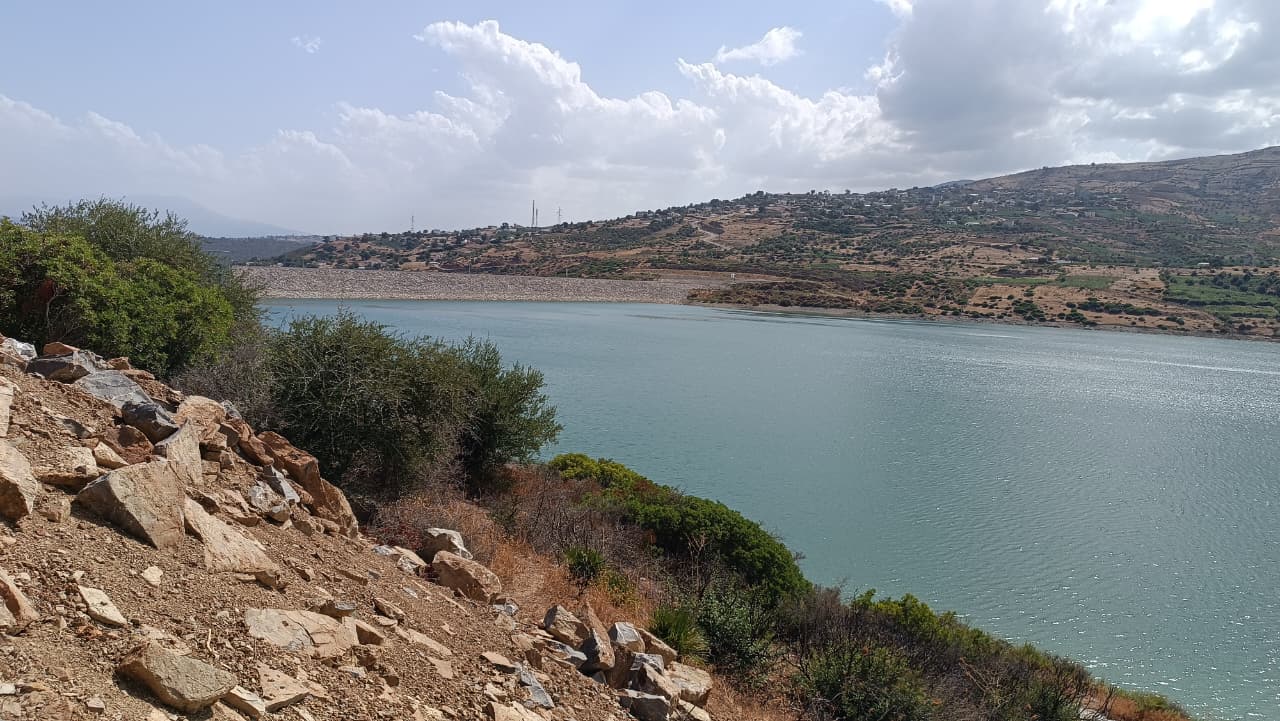
Casablanca – Morocco is advancing its long-term effort to secure water resources after obtaining a new financing package worth approximately $114 million from Germany’s development bank KfW. The funding is intended to support institutional reforms and strategic investments in the water sector as the country continues to confront the effects of prolonged drought, climate change, and increasing demand for water.
The financing comes at a time when water security has become one of Morocco’s most important development priorities. Over the past several years, declining rainfall, repeated dry seasons, and growing pressure on groundwater reserves have highlighted the need for a comprehensive approach to managing the country’s water resources.
The new funding will be deployed between late 2026 and late 2028 and is expected to support reforms aimed at improving governance, increasing infrastructure efficiency, and accelerating the implementation of major projects designed to strengthen national water resilience.
Transition toward a new water management model
Morocco’s water policy has historically been centered on the construction of dams and reservoirs. The country built one of the largest hydraulic networks in Africa, enabling it to store water for domestic consumption, agriculture, and industrial use.
However, changing climate conditions have prompted authorities to adopt a broader strategy that combines traditional infrastructure with new technologies and alternative water sources. The current approach focuses on desalination, wastewater reuse, irrigation modernization, interregional water transfers, and improved governance.
Officials view this transition as essential for ensuring reliable water supplies over the coming decades. The objective is not only to increase available resources but also to reduce vulnerability to drought and improve the efficiency of water use across all sectors of the economy.
Major investments in desalination
A central element of Morocco’s strategy is the rapid expansion of seawater desalination capacity. Authorities aim to raise national desalinated water production to approximately 1.7 billion cubic meters annually by 2030, allowing desalinated water to supply more than half of the country’s drinking water needs.
Several large-scale projects are under development to achieve this target. The Greater Casablanca desalination project is expected to become one of the largest facilities of its kind in the region, while additional complexes are planned for eastern Morocco and the Souss-Massa region.
These projects are designed to provide a reliable source of water independent of rainfall patterns. As climate variability increases, desalination is expected to play an increasingly important role in supporting urban growth, industrial activity, and agricultural production.
Many of these facilities are being developed through public-private partnerships, reflecting the growing role of private investment in strategic infrastructure projects.
Strengthening regional water connectivity
Alongside desalination, Morocco is investing heavily in water transfer infrastructure that connects river basins and regions with differing levels of water availability.
Water resources are unevenly distributed across the country. Some regions benefit from relatively higher rainfall and reservoir levels, while others face chronic shortages. Interconnection projects allow surplus water to be redirected toward densely populated urban centers and agricultural areas experiencing greater water stress.
Among the most significant projects is the expansion of water transfer systems linking major river basins. These investments are intended to improve national water distribution while maximizing the use of available resources.
Authorities are also studying additional transfer projects that could help recover significant volumes of water currently flowing unused into the sea each year.
Agriculture remains at the center of reform efforts
Agriculture accounts for the largest share of Morocco’s water consumption, making efficiency improvements in the sector a key priority.
The government continues to promote modern irrigation systems designed to reduce water losses while maintaining agricultural productivity. New irrigation projects covering thousands of hectares are planned or already under development in several regions.
These initiatives are intended to support food security while limiting pressure on groundwater and surface water resources. The strategy reflects a broader effort to balance agricultural development with long-term environmental sustainability.
Improved irrigation practices are also expected to increase resilience among farmers facing increasingly unpredictable weather conditions.
Expanding access to drinking water
Improving access to safe drinking water in rural areas remains another major objective of national policy.
Public investment programs continue to target underserved communities with the goal of reducing regional disparities and strengthening basic services. Improved water infrastructure is expected to contribute to better public health outcomes and support economic development in rural areas.
Reliable access to water is also viewed as an important factor in improving living conditions and creating opportunities for local communities.
Increasing wastewater reuse
As freshwater resources become more limited, Morocco is placing greater emphasis on wastewater treatment and reuse.
Treated wastewater is increasingly being used for irrigating green spaces, industrial sites, golf courses, and selected agricultural activities. This approach helps preserve drinking water supplies while reducing pressure on dams and groundwater reserves.
Wastewater reuse also contributes to environmental protection by reducing the discharge of untreated water into natural ecosystems. Because treated water can be produced throughout the year, it offers a dependable source that is less affected by seasonal rainfall fluctuations.
Governance reforms gain momentum
Beyond infrastructure development, Morocco is working to strengthen the institutional framework governing the water sector.
Current reforms seek to improve coordination between public agencies, enhance data collection and monitoring systems, and integrate climate-related risks into long-term planning. Authorities are also focusing on improving forecasting capabilities and identifying regions most vulnerable to future water shortages.
These governance improvements are expected to support more efficient investment decisions and better management of increasingly scarce resources.
The new German financing package aligns with this broader strategy by supporting both infrastructure projects and institutional reforms. It also reflects growing confidence among international development partners in Morocco’s approach to addressing water challenges.
As the country continues to implement its long-term water roadmap, investments in desalination, irrigation modernization, wastewater reuse, regional water transfers, and governance reforms are expected to play a central role in strengthening resilience and ensuring sustainable access to water for households, agriculture, and economic activity through 2030 and beyond.


