Casablanca – Morocco’s tourism sector, remittances from Moroccans living abroad, and foreign direct investment continued to provide strong support for the country’s external accounts during the first half of 2026, helping offset the impact of a wider merchandise trade deficit as imports expanded faster than exports.
The latest data released by the Foreign Exchange Office show that Morocco’s economy maintained solid inflows of foreign currency during the first six months of the year, driven by higher tourism receipts, growing remittances from the Moroccan diaspora, rising foreign investment, and continued strength in high-value export industries such as automotive and aerospace manufacturing.
Despite these positive developments, the country’s merchandise trade deficit widened as import growth outpaced export expansion. The deficit reached approximately $20.45 billion by the end of June, representing an increase of 23.5% compared with the same period in 2025.
Merchandise imports climbed 15.3% year-on-year to roughly $47.3 billion, reflecting stronger purchases of industrial equipment, raw materials, consumer goods, and intermediate products. Exports also continued to increase, rising 9.7% to approximately $26.8 billion, although this growth was insufficient to prevent the trade gap from widening. Consequently, Morocco’s import coverage ratio declined to 56.8%, down from the previous year.
While goods trade remained under pressure, the services sector continued to provide an important source of external earnings. The country’s services balance generated a surplus of approximately $8.25 billion, an increase of 16.8% compared with the first half of 2025.
Services exports reached around $16.6 billion, while services imports totaled nearly $8.4 billion, illustrating the continued contribution of tourism, transport, and business services to Morocco’s balance of payments.
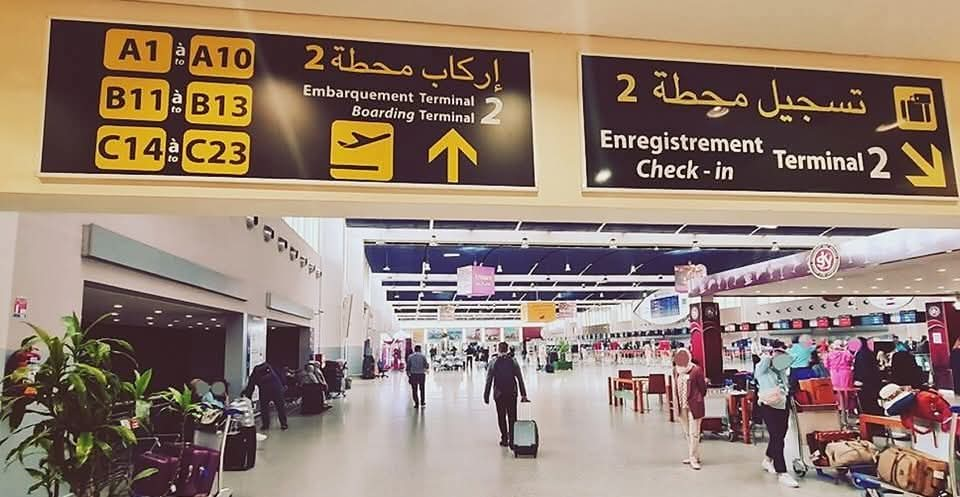
Tourism remained one of the strongest contributors to foreign currency inflows. Travel receipts totaled approximately $6.69 billion during the first six months of 2026, marking a 15.9% increase from the same period last year.
The improvement reflects Morocco’s continued recovery and expansion as a tourism destination, supported by growing international arrivals, expanded airline connectivity, and preparations linked to major international sporting events, including the 2030 FIFA World Cup, which Morocco will co-host with Spain and Portugal.
Earlier official figures showed that Morocco welcomed approximately 9.4 million international tourists during the first half of 2026, representing a 6% increase compared with the corresponding period of 2025. The combination of higher visitor numbers and increased tourist spending contributed to record travel revenues during the period.
Meanwhile, outbound travel expenditures by Moroccan residents rose at a much slower pace. Spending abroad increased only 3.6% to approximately $1.66 billion, allowing Morocco’s travel balance to record a surplus of about $5.03 billion, up 20.6% from a year earlier.
The continued expansion of tourism revenues further strengthened Morocco’s services surplus and reinforced the sector’s role as one of the country’s largest generators of foreign currency.
Remittances from Moroccans residing abroad also maintained steady growth during the first half of the year. Transfers reached approximately $6.34 billion by the end of June, representing an annual increase of 9.9%.
The sustained rise in remittances reflects the continued contribution of the Moroccan diaspora to household incomes, domestic consumption, and national foreign exchange reserves. Alongside tourism receipts, these transfers remain among Morocco’s most stable external financial resources and play an important role in supporting the country’s macroeconomic stability.
Foreign direct investment also posted strong gains during the period. Net inflows increased 31.5% year-on-year to approximately $2.70 billion.
Gross foreign investment inflows reached roughly $3.50 billion, while investment-related outflows declined to around $799 million, contributing to the improvement in net foreign investment.
The data indicate continued investor confidence in Morocco’s economy, particularly in strategic sectors such as automotive manufacturing, aerospace, renewable energy, battery production, logistics, and digital industries. In recent years, Morocco has attracted a series of large-scale industrial projects aimed at expanding its export-oriented manufacturing base and strengthening its position within global supply chains.
Moroccan companies also continued investing abroad. Net outward direct investment reached approximately $589 million during the first half of 2026. Investment expenditures overseas totaled around $1.49 billion, while proceeds from the sale of foreign investments amounted to approximately $899 million.
Export performance remained uneven across sectors, although several of Morocco’s leading industries continued to post solid growth.
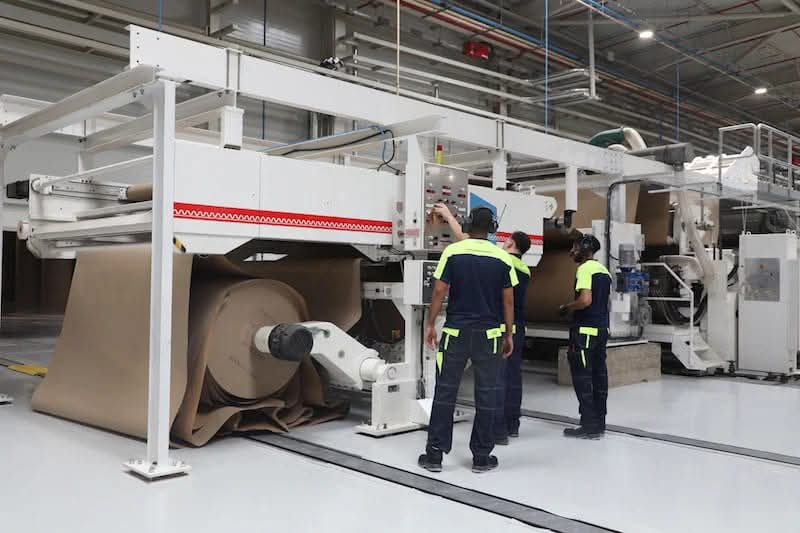
The automotive sector maintained its position as the country’s largest export industry. Vehicle exports increased 17.4% to approximately $9.65 billion, supported by higher production of completed vehicles and automotive wiring systems. Manufacturing activities expanded as Morocco continued to strengthen its role as a production hub serving European and international markets.
The aerospace industry also recorded another period of strong growth. Exports rose 19.3% to nearly $1.79 billion, driven by increased aircraft assembly activities and higher shipments of electrical wiring interconnection systems used by global aircraft manufacturers.
Agricultural and agri-food exports also continued to expand, recording 5.7% growth despite weather-related challenges affecting parts of the agricultural season.
Other export categories recorded weaker performances. Exports of textiles and leather products declined 6.5%, while electronics and electrical equipment fell 4.4%. Phosphate and fertilizer exports also decreased 2.3% compared with the first half of last year, reflecting changing international demand and pricing conditions.
On the import side, purchases of raw materials recorded one of the fastest increases, rising 37.7%, while imports of capital equipment expanded 21.2%, suggesting continued investment in industrial capacity and infrastructure projects. Imports of consumer goods also posted double-digit growth, increasing 14.2%, while semi-finished industrial products rose 3.7%.
The first half of 2026 highlighted two parallel trends within Morocco’s external economy. The faster expansion of imports led to a wider merchandise trade deficit, yet strong inflows from tourism, remittances, foreign direct investment, and competitive export industries continued to support the country’s external balances. Together, these sources of foreign currency helped reinforce Morocco’s international reserves and reflected the resilience of key sectors that have become increasingly important to the country’s economic growth and integration into global markets.