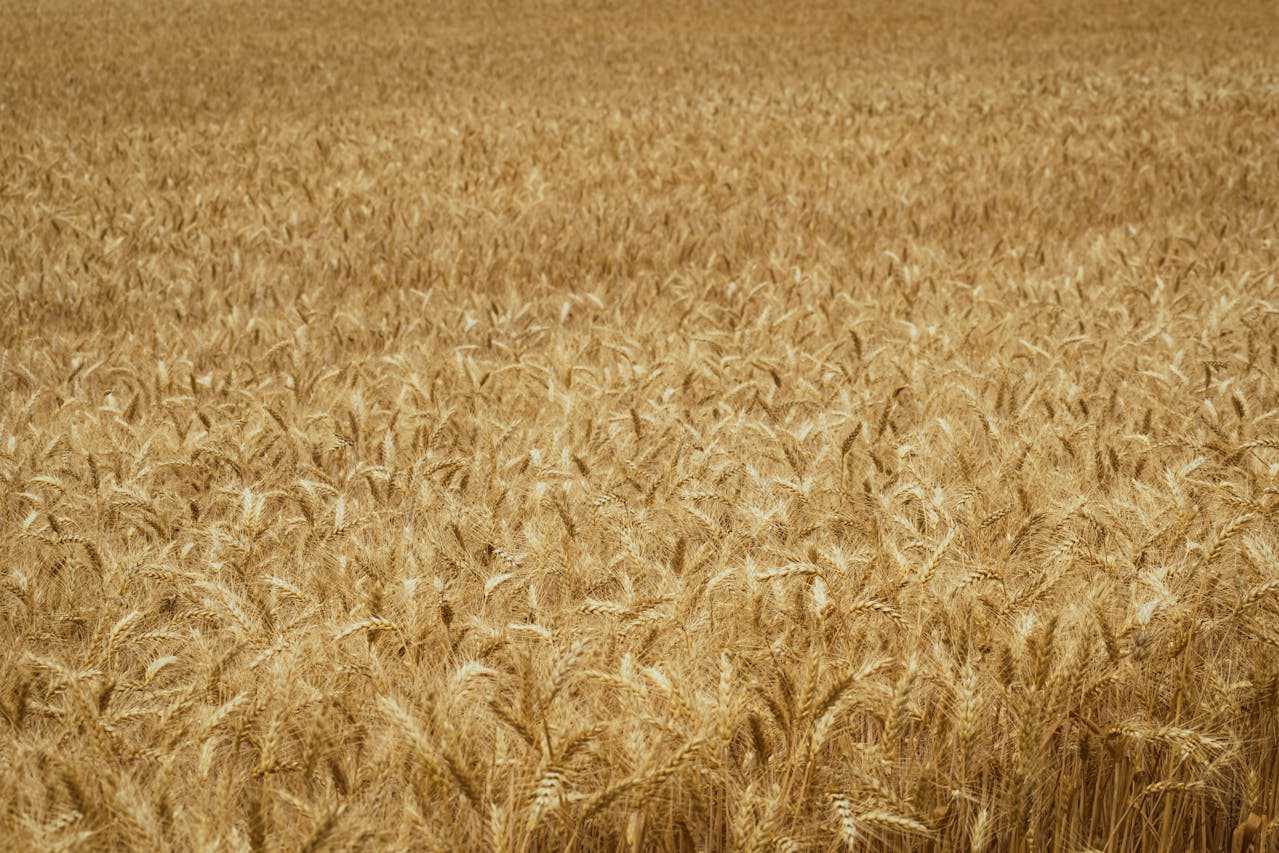
Casablanca – Morocco will resume financial support for soft wheat imports from September 16, as domestic collection has fallen significantly below initial targets and stocks available to industrial flour mills have come under pressure. The support mechanism, which will remain in place until December 31, is intended to help replenish supplies while limiting the impact of international wheat prices on the domestic market.
The decision marks a shift in Morocco’s cereal supply policy after several months during which authorities prioritized the marketing of the domestic harvest. Import assistance was suspended during the summer, while high customs protection was used to give local producers more room to sell their wheat.
The latest move reflects the difficulty of relying on domestic collection alone to meet the requirements of the milling sector. Around 6 million quintals of soft wheat were collected during the current campaign, equivalent to about 600,000 metric tons. That volume was substantially below the initial target of 15 million quintals, or 1.5 million metric tons.
The collected quantity represents only about 12% of the annual requirements of Morocco’s industrial flour mills. On that basis, the sector’s annual needs can be estimated at roughly 50 million quintals, or 5 million metric tons. The relatively limited level of domestic collection has contributed to a decline in stocks and increased the need for purchases from international markets.
The situation has also affected milling activity. Reports indicate that production at milling units has fallen by between 15% and 20% as available stocks have become more constrained. Reopening imports is therefore aimed primarily at maintaining regular supplies of wheat to mills rather than replacing domestic production.
A renewed import support mechanism
The National Interprofessional Office for Cereals and Pulses, known as ONICL, is reactivating the import support mechanism from September 16 through the end of December. The system is based on compensation linked to the difference between international procurement costs and a reference price established for the Moroccan market.
The reference price is equivalent to approximately $27.84 per quintal. For the initial period from September 16 to September 30, government compensation could reach approximately $2.14 per quintal.
The level of support is expected to change according to international wheat prices, maritime transportation costs and currency movements. Rather than maintaining one fixed level of assistance throughout the entire period, the mechanism allows compensation to be adjusted as external market conditions change.
The payment system will also connect government assistance to actual wheat flows. Around 80% of the support will be linked to quantities effectively imported, while the remaining 20% will depend on quantities delivered to industrial flour mills.
This structure is intended to ensure that public support contributes directly to domestic supply. It also gives authorities greater control over the relationship between imports and deliveries to mills.
Recent international wheat prices cited in the market were equivalent to around $29.38 per quintal. At that level, the gap with Morocco’s reference price of $27.84 per quintal is approximately $1.55 per quintal, although the final support calculation also takes other import-related costs into account.
Why Morocco is returning to imports
Morocco suspended soft wheat imports at the beginning of June to give farmers greater opportunity to market the latest domestic harvest. The government also introduced strong customs protection during the domestic marketing period, including a duty equivalent to 170% on soft wheat imports.
The objective was to give locally produced wheat priority in the domestic market and encourage higher collection volumes.
However, domestic collection remained well below the initial target. Around 6 million quintals were collected compared with the planned 15 million quintals. Some farmers reportedly retained part of their production for their own requirements, while others delayed sales while waiting for potentially better prices. This reduced the amount of wheat entering commercial storage and put pressure on stocks available to flour mills.
The situation illustrates the challenge of balancing support for domestic farmers with the need to maintain continuous supplies for the milling sector. Protecting the local harvest can encourage domestic marketing, but prolonged restrictions on imports can become difficult to maintain if commercial stocks are insufficient.
The September decision therefore changes the immediate priority. With the main domestic marketing period progressing, the authorities are now focusing more heavily on replenishing stocks and ensuring that mills can obtain sufficient wheat.
International markets remain critical
Morocco continues to depend on international markets for a significant portion of its wheat requirements. Domestic cereal production is highly sensitive to rainfall and weather conditions, creating considerable variation between agricultural seasons.
Even when domestic production improves, local supplies must be collected, stored and distributed throughout the year. Industrial mills require regular access to wheat, making stock management an important element of national food supply planning.
Global market conditions have added another layer of uncertainty. Wheat prices have been affected by geopolitical tensions around the Black Sea, a major export region for cereals. Russia and Ukraine are among the world’s important wheat suppliers, while disruptions affecting grain infrastructure and shipping routes can influence international availability and costs.
European wheat prices have also experienced substantial fluctuations in recent weeks. These movements highlight the uncertainty facing importers and the importance of monitoring international markets when determining the cost of domestic supply.
Morocco has access to several potential sources. European suppliers, particularly France, remain important because of geographical proximity and established trade links. Black Sea exporters have also gained a larger role in international grain markets.
Moroccan importers can additionally source wheat from other major producing regions when prices, availability and transportation costs make those origins competitive. Diversification allows buyers to adjust procurement when supplies from a particular region become more expensive or difficult to transport.
Freight and currency movements matter
The cost of imported wheat is determined by more than the international commodity price. Maritime freight, insurance, handling and other logistics expenses can significantly affect the final cost paid by Moroccan buyers.
Currency movements are another factor. Since wheat is traded internationally, changes in the value of the US dollar against the Moroccan dirham can influence Morocco’s import bill.
The support mechanism takes these variables into account by allowing the compensation level to be reviewed periodically. This provides flexibility if international prices or shipping expenses rise or fall during the support period.
The approach also reduces the need for the government to establish a single subsidy level months in advance when market conditions may change considerably.
Food supply remains the central concern
The scale of domestic collection highlights Morocco’s continued need to combine local production with international sourcing. The 600,000 metric tons collected during the current campaign represents only around 12% of the annual requirements of industrial flour mills.
With milling activity reportedly declining by 15% to 20%, replenishing stocks has become an immediate concern. The return of import support is designed to increase the availability of wheat while limiting the effect of international prices on the domestic milling sector.
The government will therefore have to monitor several factors simultaneously over the coming months. These include import volumes, domestic stocks, international wheat prices, maritime freight rates and currency movements.
Weather conditions will remain particularly important for the longer-term outlook. Morocco’s cereal production can change substantially depending on rainfall, meaning that the country’s import requirements may vary considerably from one season to another.
A flexible approach to cereal supply
The resumption of imports does not necessarily signal a departure from efforts to strengthen domestic cereal production. Instead, it represents a change in the balance between two immediate objectives.
During the summer, the government prioritized domestic wheat by limiting foreign competition and encouraging farmers to market their harvest. As collection proved insufficient to meet the requirements of the milling sector, the policy is now shifting toward securing additional supplies from abroad.
The import support mechanism will remain operational until December 31, giving authorities several months to rebuild stocks and assess market conditions.
The experience of 2026 also demonstrates the difficulty of relying on either domestic production or imports alone. Domestic agriculture remains essential for reducing dependence on foreign markets, but variable weather conditions can limit local supplies. International purchases provide an additional source of wheat, but expose the country to global prices, shipping costs and geopolitical disruptions.
By restarting financial support for soft wheat imports from September 16, Morocco is seeking to manage these competing pressures while maintaining regular supplies to industrial flour mills. The level of assistance will depend on market conditions, allowing the authorities to respond as international wheat prices and import costs evolve through the final months of the year.