Casablanca – The Moroccan dirham has come under renewed pressure against the euro and the US dollar, with the currency recording consecutive weekly declines as strong import growth increases demand for foreign exchange. The movement has so far remained within Morocco’s exchange-rate framework, but the speed of the recent shift in market conditions has drawn attention to the balance between foreign-currency demand and supply.
The dirham weakened against both major currencies during the week from September 24 to 30, extending its decline against the euro to five consecutive weeks. The euro ended September at 10.998 dirhams and subsequently crossed the 11-dirham threshold on October 2, reaching 11.083 dirhams. The dollar, meanwhile, reached 9.855 dirhams on the same day.
The latest movements represent a significant change from conditions seen earlier in the year. Since August 27, the euro has gained around 2.85% against the dirham, while the dollar has strengthened particularly quickly during the final days of September. Between September 23 and October 2, the dollar increased by roughly 2.75% against the Moroccan currency.
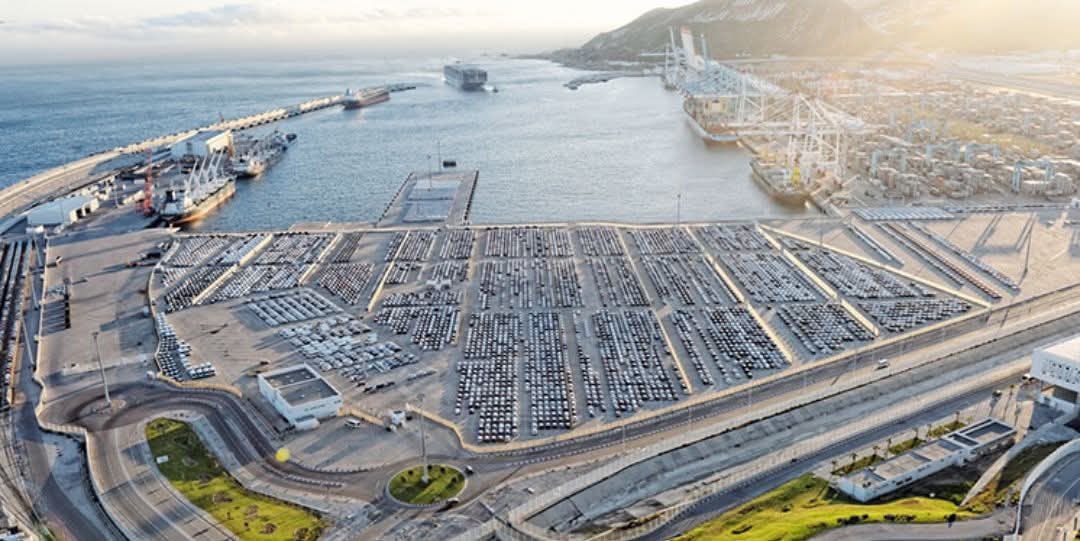
The decline has occurred against a backdrop of stronger demand for foreign currencies in Morocco. Companies importing goods and equipment need euros and dollars to settle payments with overseas suppliers, and the rapid expansion of imports has widened the gap between foreign-currency demand and export-generated supply.
Morocco’s trade figures show the scale of the imbalance. During the first eight months of 2026, imports rose by 15.8% to approximately $63.9 billion, while exports increased by 8.7% to around $34.6 billion. The trade deficit consequently reached about $29.2 billion, an increase of 25.4% compared with the same period a year earlier.
The export coverage ratio fell to 54.2%, meaning that exports covered only slightly more than half of the value of goods imported during the period. The widening difference between imports and exports has direct implications for the foreign-exchange market because the additional imports have to be financed largely through foreign-currency resources.
Energy has been one of the main sources of this pressure. Morocco’s energy import bill reached approximately $10 billion by the end of August, compared with around $7.5 billion a year earlier. The increase of roughly $2.4 billion represents a substantial additional requirement for foreign currency at a time when the dollar has also strengthened internationally.
The rise in imports is not limited to energy. Purchases of capital goods and raw materials have also increased, reflecting investment activity, infrastructure projects and spending in transport and energy. Higher imports linked to investment can increase short-term demand for foreign currency before the resulting projects generate additional production, exports or foreign-currency revenues.
This timing is important for understanding the current pressure on the dirham. Investment-related imports can create an immediate need for dollars and euros, while the economic benefits associated with new production capacity can take longer to appear. As a result, the exchange market may experience pressure before the investments begin contributing significantly to exports.
The changing conditions are visible in the interbank foreign-exchange market. The difference between the weighted average rate of interbank transactions and the reference rate of Bank Al-Maghrib moved from -3.35% on June 1 to +1.51% on October 2. The 4.86-percentage-point shift indicates a substantial change in foreign-currency liquidity conditions.
A negative difference generally indicates that foreign currencies are trading below the central bank’s reference rate, while a move into positive territory points to stronger demand for foreign exchange. The speed of the change is particularly relevant because it suggests that the market has moved from relatively comfortable foreign-currency liquidity toward tighter conditions within a few months.
The dirham’s exchange-rate system nevertheless provides room for movements in both directions. The currency is managed within a fluctuation band of plus or minus 5% around a central rate calculated using a basket composed of 60% euros and 40% dollars.
This framework means that the dirham does not have to maintain a fixed exchange rate against either currency. Its value can respond to changes in Morocco’s external position as well as movements in international currency markets. The recent strength of the dollar has therefore contributed to the dirham’s decline independently of domestic import demand.
The dollar’s international performance has been particularly relevant. The euro itself weakened against the dollar during the period, moving from roughly $1.141 on September 23 to about $1.125 on October 2. This means that part of the dirham’s stronger decline against the dollar reflects the dollar’s wider international appreciation.
At the same time, Morocco continues to benefit from significant foreign-currency inflows that help offset part of the pressure created by the trade deficit. Remittances from Moroccans living abroad reached approximately $9.2 billion during the first eight months of the year, while travel receipts reached about $10.1 billion.
These flows provide an important source of foreign currency and help finance part of Morocco’s external payments. Tourism receipts have continued to grow alongside visitor numbers, while remittances remain a major source of foreign exchange for the economy.
The country also maintains substantial official reserve assets. They stood at approximately $51.8 billion in August, while more recent figures placed official reserves at around $52 billion in September. Reserve levels have remained strong despite the widening trade deficit, giving the central bank a significant buffer against external shocks.
The combination of strong reserves and continued foreign-currency inflows helps explain why the recent depreciation of the dirham has not developed into a broader foreign-exchange crisis. The central bank has continued to monitor market conditions rather than using foreign-currency auctions to defend a specific exchange-rate level.
The distinction between currency depreciation and a shortage of foreign currency is important. A weaker dirham can occur within the existing exchange-rate framework without indicating that Morocco is running out of reserves. What matters for policymakers is whether pressure remains temporary and manageable or becomes persistent enough to threaten external stability or inflation.
The effects of the weaker dirham are also mixed across the economy. Moroccan households receiving money from abroad can obtain more dirhams for the same amount of foreign currency when the dirham weakens. Exporters can likewise benefit from receiving foreign-currency revenues that translate into a higher dirham value.
Importers face the opposite effect. A weaker dirham increases the local-currency cost of products purchased abroad, particularly goods priced in dollars or euros. This can affect companies importing machinery, raw materials, energy products and finished goods, with some of the additional costs potentially passed on to consumers.
The impact on inflation will depend on the duration and scale of the depreciation, as well as international commodity prices and domestic demand. Morocco’s relatively contained inflation environment provides some room to absorb exchange-rate movements, but a prolonged rise in import costs could eventually increase price pressures.
The direction of the dirham in the coming months will therefore depend on whether the growth gap between imports and exports narrows. Stronger export earnings, tourism revenues and remittances could help improve foreign-currency availability, while continued investment-related imports and high energy costs could maintain pressure on demand.
The dollar’s international performance will remain another important variable. Because the Moroccan currency basket gives the euro a larger weight than the dollar, movements in the two currencies against each other can affect the dirham even when Morocco’s domestic trade position remains unchanged.
For now, the recent depreciation points to a shift in foreign-exchange market conditions rather than a breakdown in monetary stability. The dirham remains within its permitted fluctuation range, while Morocco retains substantial foreign-exchange reserves and continues to receive significant inflows from tourism and remittances.
The more important issue for the months ahead will be whether foreign-currency demand generated by imports continues to grow faster than the flows supporting supply. If the trade deficit remains elevated while import growth continues to outpace exports, pressure on the dirham could persist. Conversely, stronger exports, tourism receipts, remittances and other foreign-currency inflows could reduce the imbalance and ease pressure on the Moroccan currency.