Casablanca – Morocco is consolidating its position as a competitive international tourism destination, supported by both seasonal advantages highlighted by foreign media and an evolving national strategy aimed at strengthening entertainment and leisure offerings. Recent coverage by Spanish media, particularly La Sexta, alongside domestic policy developments, points to a broader effort to enhance the country’s attractiveness beyond traditional cultural and geographic assets.
According to La Sexta, Morocco stands out as a preferred destination during the spring period, especially in May, when climatic conditions are described as particularly favorable. The media outlet emphasized that the country benefits from abundant sunshine combined with moderate temperatures, avoiding the intense heat typical of the summer season. This period is also characterized by a more balanced level of tourist activity, which remains significantly lower than peak summer months such as July and August, while still offering a dynamic travel environment compared to winter.
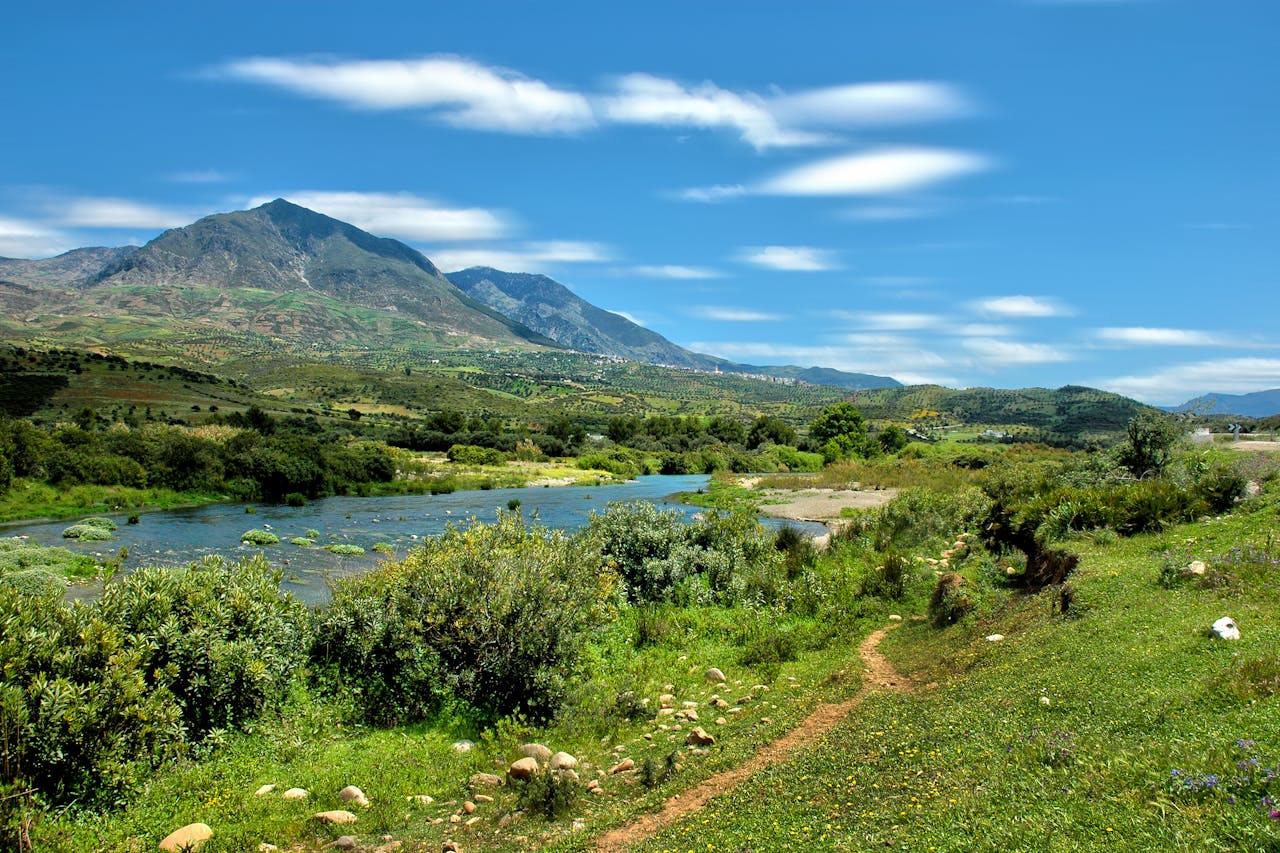
The Spanish coverage consistently highlighted the diversity of Morocco’s landscapes during spring. Visitors can experience a wide range of natural settings within relatively short distances, including green valleys, mountain ranges, and desert expanses. This geographic variety contributes to the country’s appeal for travelers seeking both nature-based exploration and cultural discovery within a single destination.
In desert regions, milder temperatures during spring enhance accessibility for outdoor activities. Tourism reports point to trekking, camel rides, quad biking excursions, and desert camping as particularly attractive experiences during this period. The more moderate climate improves comfort levels and allows for longer stays and broader activity participation compared to the hotter summer months.
Urban and cultural destinations also remain central to Morocco’s tourism appeal. Historic medinas in cities such as Marrakech, Fez, and Chefchaouen are frequently cited as key attractions, particularly during spring when conditions are more suitable for walking tours and open-air exploration. These cities provide access to traditional markets, architectural heritage, and dense historical urban fabrics that are more difficult to navigate during peak heat and overcrowding in summer.
The Atlantic coastline, including cities such as Tangier, Essaouira, Agadir and Rabat, is also presented as a complementary tourism segment. These destinations combine moderate climate conditions with cultural and historical depth, offering a different experience from inland imperial cities and desert regions. This geographic diversity continues to position Morocco as a multi-experience destination rather than a single-focus tourism market.
Alongside this seasonal attractiveness, domestic institutions are increasingly focusing on the structure and quality of the tourism offer itself. According to recent official communications from tourism engineering stakeholders, Morocco is placing entertainment and leisure development at the core of its tourism strategy. This shift reflects a broader recognition that modern tourism competitiveness depends not only on natural and cultural assets, but also on the availability of structured recreational experiences.
The approach being implemented includes the development of a more organized entertainment ecosystem covering family leisure activities, cultural nightlife, nature-based experiences, and digital entertainment formats. The objective is to attract specialized operators and encourage investment in high-value projects capable of diversifying the tourism offer and extending visitor stays.
A key component of this strategy is the introduction of structured investment frameworks, including calls for expressions of interest targeting different segments of the entertainment sector. These mechanisms aim to guide private investment toward clearly defined opportunities, while improving coordination between public and private actors.
In parallel, support systems for small and medium-sized enterprises are being reinforced through incubation mechanisms. These initiatives are designed to assist emerging tourism and entertainment operators in developing innovative concepts, improving service quality, and accessing financing tools such as grants and venture capital. This focus reflects an effort to broaden participation in the tourism value chain beyond large-scale operators.
Another significant development is the creation of a centralized project database dedicated to tourism entertainment. This platform aggregates pre-evaluated projects, including feasibility studies and investment requirements, in order to provide clearer visibility for potential investors. By reducing uncertainty and improving access to structured information, the system aims to accelerate project development timelines.
Digital transformation also plays a central role in this strategy. A national digital platform is being developed to connect project developers with investors and international partners. The platform is expected to standardize financial information, enhance transparency, and facilitate matchmaking between supply and demand in the tourism investment ecosystem.
International cooperation is another pillar of this approach, with efforts underway to connect Moroccan stakeholders with global networks in the entertainment and leisure sector. This includes exposure to international best practices and access to innovative recreational concepts that can be adapted to local conditions.
Taken together, these developments reflect a dual dynamic shaping Morocco’s tourism sector. On one hand, the country benefits from strong seasonal appeal, particularly during spring, as highlighted by international media coverage. On the other, it is actively restructuring its tourism offering through a more integrated and experience-driven model focused on entertainment, innovation, and investment facilitation.
This combination of natural attractiveness and strategic modernization is increasingly positioning Morocco as a diversified tourism destination capable of competing in multiple segments of the global travel market.