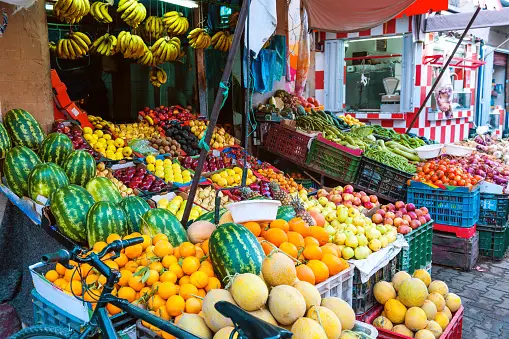
Casablanca – Morocco’s orange exports have recorded a robust recovery for the second consecutive season, signaling a clear rebound after the sharp decline experienced in the 2022/23 season. According to data compiled from multiple market sources, including the research platform East Fruit, the North African country exported 84,600 tons of oranges during the 2024/25 season (November 2024 to October 2025), generating revenues of approximately $61 million. This represents a 38% increase over the previous season and more than double the historically low export volumes of 2022/23, underscoring the continued importance of oranges as a cornerstone of Morocco’s fruit export sector.
The recovery was primarily driven by the “Maroc Late” variety, typically harvested in spring. The season peaked in May, with monthly shipments reaching 15,700 tons, reflecting Morocco’s capacity to coordinate production and export schedules with international market demand. Oranges rank among the top Moroccan fruit exports, alongside mandarins, watermelons, and blueberries, highlighting their central role in the country’s global fruit trade.
North America remains a key market
North American markets, particularly Canada and the United States, continue to be the leading destinations for Moroccan oranges. Canada accounted for 22% of total exports, registering a 65% increase compared to the previous season. The United States followed closely with 21.5% of total exports, though shipments there declined slightly, making it the only major importer among the top ten to report a drop. Russia ranked third, maintaining strong demand for Moroccan oranges despite ongoing European sanctions affecting the Russian market.
Expanding global presence
Beyond its traditional markets, Morocco has made significant strides in expanding the global reach of its oranges. During the 2024/25 season, Moroccan oranges were exported to 46 countries, reflecting a strategic push to diversify markets. Exports to the United Kingdom grew sevenfold, while shipments to Saudi Arabia and Spain also recorded substantial increases. Trade with Portugal resumed, and other European and African markets—including the Netherlands, France, Mauritania, and Senegal—also saw growth. This diversification demonstrates Morocco’s ability to adapt its production and export cycles to align with global demand trends.
Government support and competitiveness
The Moroccan government has played a key role in supporting this recovery. Since 2024, measures aimed at enhancing citrus exports to Europe have helped Moroccan oranges remain competitive against Egyptian supplies, particularly during peak months. This strategic support, combined with producers’ efforts to align harvests with international market windows, has strengthened Morocco’s position in the global citrus trade.
Ongoing challenges
Despite the positive momentum, the Moroccan citrus sector continues to face structural challenges. Limited water resources, intensified droughts, and the broader impacts of climate change remain significant constraints on production and export capacity. Current export volumes, while recovering, are still below the historical peak of the 2016/17 season, when Moroccan orange shipments totaled 164,000 tons.
Nevertheless, the performance of the past two seasons indicates a sustained upward trajectory, suggesting that Morocco is gradually overcoming earlier obstacles. Analysts note that the combination of market diversification, government support, and careful production planning has not only restored confidence among exporters but also positions Morocco to expand its global market share in the coming years.
Outlook
Industry observers remain cautiously optimistic. If current trends continue, Morocco could further consolidate its position in key North American and European markets while exploring opportunities in emerging markets in Africa and the Middle East. The recovery of Moroccan orange exports demonstrates the sector’s resilience and the country’s ability to adapt to changing climatic and market conditions, reinforcing the strategic role of citrus in Morocco’s broader agricultural export portfolio.