



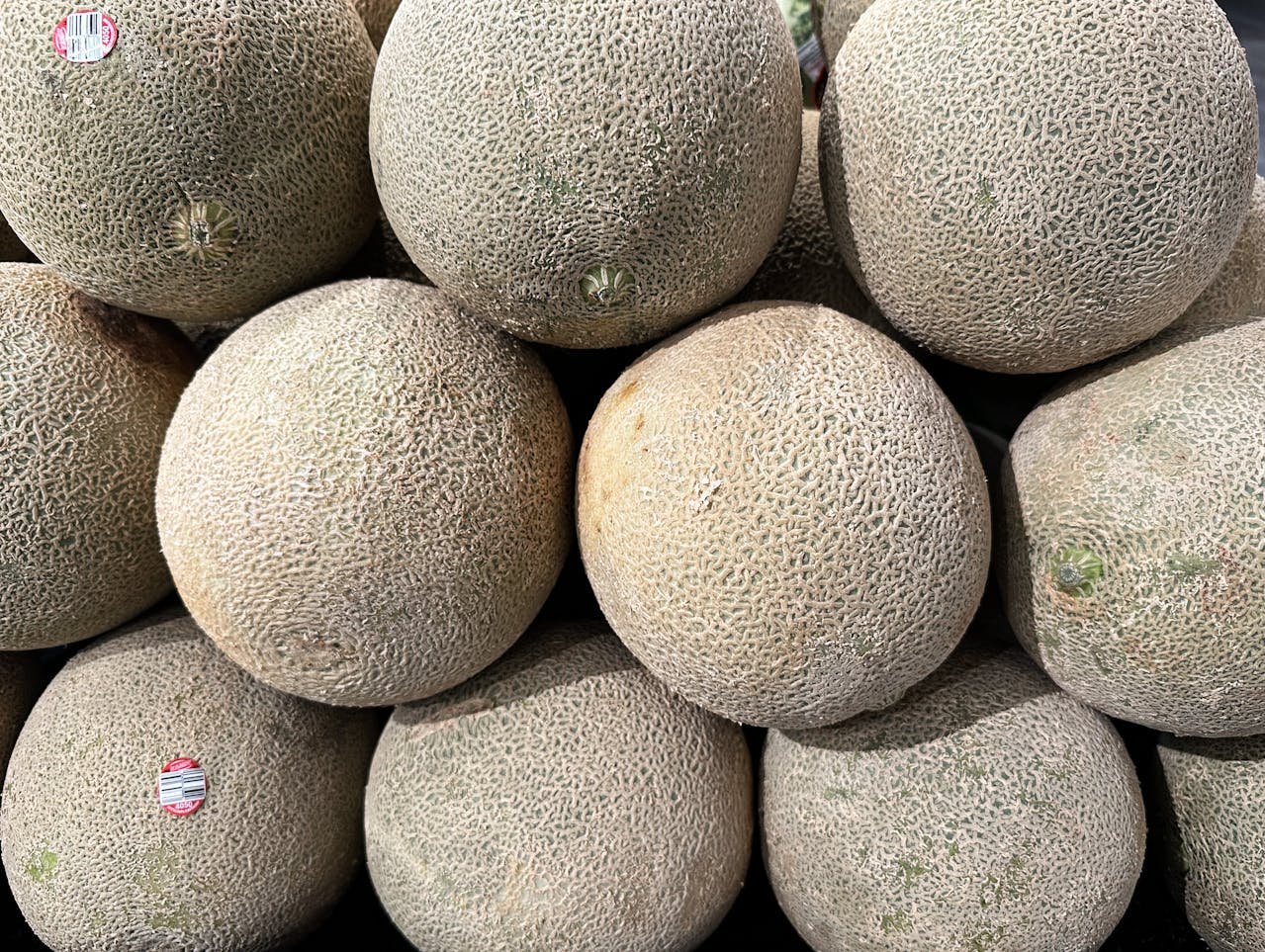
Casablanca – Morocco’s melon export campaign is approaching its conclusion under favorable conditions in European markets, supported by sustained demand and higher prices. This positive commercial environment has helped offset a decline in production caused by unstable weather conditions in key growing regions.
As the season enters its final phase, shipments continue to flow steadily, with supply now largely ensured by production areas around Marrakech following earlier harvests in the southern region of Dakhla. The campaign is expected to end between mid- and late May, marking the close of a season characterized by contrasting trends between market performance and agricultural output.
Weather-related constraints on production
The 2025–2026 season has been shaped by challenging climatic conditions, which significantly affected yields and crop quality. Periods of excessive rainfall, episodes of hail, and the spread of fungal diseases disrupted production cycles, particularly in central regions such as Marrakech. In other major agricultural zones, including Souss-Massa and Gharb, weather variability also contributed to lower harvested volumes compared to the previous campaign.
These conditions limited the quantity of marketable produce, with some farms unable to meet export standards due to quality issues. The situation reflects a broader pattern of increasing vulnerability within Morocco’s agricultural sector, where irregular weather events are becoming a more prominent risk factor than traditional drought concerns in certain crops.
In parallel, cultivated areas dedicated to melon production have shown a gradual decline in recent years, further contributing to the reduction in total output. This structural trend, combined with seasonal disruptions, has tightened supply during the current campaign.
Strong prices driven by limited supply
Despite the drop in production, Moroccan exporters have benefited from a favorable pricing environment. The reduced availability of melons, both domestically and among competing Mediterranean producers, has supported a notable increase in prices on European markets.
This season, prices have risen significantly compared to last year, with reported levels increasing by around 15%. Average prices moved from approximately $2.40–$2.73 per kilogram in the previous campaign to about $2.73–$3.28 per kilogram this year, based on standard currency conversion. This upward trend reflects a supply-demand imbalance, where limited volumes have strengthened the position of exporters.
The timing of Morocco’s campaign has also played a strategic role. Competing suppliers such as Spain and Italy entered the market later than usual or with reduced output, creating a temporary gap that Moroccan exporters were able to fill. This window of reduced competition has reinforced Morocco’s presence across several European destinations.
Sustained demand across key European markets
Demand for Moroccan melons has remained robust across major European markets, including France, Spain, the Netherlands, Italy, Switzerland, and Belgium. Importers continue to rely on Moroccan supply due to its consistency, quality standards, and logistical proximity.
Particular interest has been directed toward premium varieties such as Charentais and Cantaloupe, which are valued for their flavor and presentation. These varieties align with the expectations of European retailers and consumers, allowing Moroccan exporters to maintain a competitive position despite fluctuations in volume.
Trade agreements between Morocco and the European Union continue to facilitate market access, supporting export flows and reinforcing the country’s role as a key supplier. Estimates indicate that Morocco accounts for a significant share of the European melon import market, highlighting the strategic importance of this crop within the broader fruit and vegetable export sector.
Sector implications and ongoing adjustments
The current campaign underscores both the resilience and the challenges facing Morocco’s melon industry. On one hand, the ability to benefit from favorable market conditions demonstrates the sector’s responsiveness and integration into international trade networks. On the other hand, the impact of weather-related disruptions points to structural vulnerabilities that require ongoing adaptation.
Sector stakeholders are placing increasing emphasis on maintaining product quality, ensuring traceability, and improving logistics to meet the evolving requirements of European buyers. Investments in cold chain infrastructure and faster transport solutions are seen as essential to preserving competitiveness.
At the production level, there is growing interest in adopting more resilient agricultural practices. These include the use of disease-resistant varieties, improved irrigation management, and better protection against extreme weather events.
Outlook for future campaigns
As the current export season draws to a close, market participants expect prices to remain relatively stable until the final shipments are completed, supported by continued demand and constrained supply. However, the outlook for future campaigns will depend on several factors, particularly climatic conditions and producers’ capacity to adapt.
The strong price performance observed this year may encourage some farmers to return to melon cultivation or expand planted areas. At the same time, long-term profitability will likely depend on addressing climate-related risks, which are becoming a defining element of agricultural planning in Morocco.
A detailed assessment of the season is expected from agricultural authorities in the coming months. This evaluation will provide further insight into production trends, export performance, and the adjustments needed to sustain growth in the sector under increasingly variable environmental conditions.


