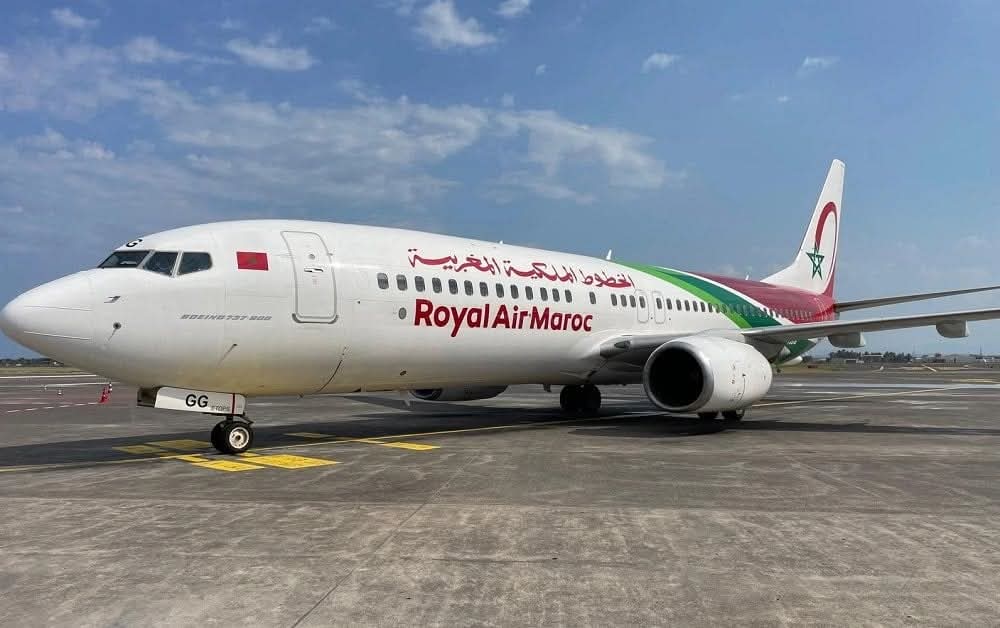
Casablanca – Airlines are significantly expanding air connectivity between Morocco and Spain ahead of the summer 2026 travel season, with new routes and increased flight frequencies reflecting strong demand driven by tourism, economic exchanges, and the mobility of Moroccan communities living abroad. Major carriers, including TUI fly and Ryanair, have announced new services linking key Moroccan cities such as Casablanca, Rabat, and Tangier with major Spanish destinations, including Barcelona and Valencia.
These developments highlight Morocco’s growing importance as both a tourism destination and a strategic air transport hub connecting Europe and Africa.
New casablanca–Barcelona connection strengthens tourism and business travel
One of the key announcements for summer 2026 is the launch of a new direct route between Casablanca and Barcelona by TUI fly. The seasonal service will connect Mohammed V International Airport with Barcelona–El Prat Airport between July 2 and August 31, 2026, with the possibility of extending operations until early September depending on demand.
Flights are scheduled twice weekly, operating on Thursdays and Sundays. The route marks the airline’s return to the Spanish market and is designed to capture strong summer demand, particularly during the peak holiday season.
The new service is expected to serve multiple categories of travelers. Leisure passengers traveling for tourism represent a major share, but the route will also support business travel between Morocco’s economic capital, Casablanca, and Barcelona, one of Spain’s leading commercial and industrial centers. In addition, the connection will facilitate family travel, especially for members of the Moroccan diaspora living in Spain, particularly in Catalonia.
Airlines increasingly view diaspora travel as a stable and recurring source of passenger demand, especially during summer months when families travel between their countries of residence and origin.
Ryanair launches Valencia–Rabat route and strengthens presence in Morocco
In parallel, Ryanair has announced the launch of a new direct route between Valencia and Rabat, which will operate with two weekly flights during the summer 2026 season. This addition forms part of a broader expansion strategy aimed at strengthening connectivity between Morocco and Europe.
The airline is also increasing its flight frequencies between Valencia and Tangier, reflecting growing demand for travel to northern Morocco. Tangier has emerged as an increasingly important destination due to its economic development, expanding tourism sector, and proximity to Europe.
Ryanair’s summer 2026 schedule from Valencia will include 59 routes and 336 weekly flights, representing a 2% increase compared with the previous year. The expansion provides travelers with more options and enhances accessibility between Spanish and Moroccan cities.
In addition to launching new routes, Ryanair is expanding its operational footprint in Morocco by opening a new base in Rabat in April 2026. The project represents a $200 million investment and is expected to strengthen Rabat’s role as an international gateway.
The new base will support seven additional international routes connecting Rabat with major European cities, including Milan, Baden-Baden, Frankfurt Hahn, Nuremberg, Porto, Pisa, and Valencia.
Growing Morocco–Spain air travel market reflects strong bilateral ties
The expansion of airline routes reflects the continued growth of air travel between Morocco and Spain, one of the most dynamic aviation corridors linking Africa and Europe. The two countries share close geographic proximity, extensive trade relations, and deep human ties supported by a large Moroccan community living in Spain.
Spain remains one of Morocco’s top tourism partners, with millions of travelers moving between the two countries each year for tourism, business, education, and family visits.
Airlines are responding to this sustained demand by expanding capacity, introducing new routes, and strengthening existing connections. Seasonal travel patterns, particularly during summer, play a central role in airline planning, as passenger volumes increase significantly during this period.
The launch of new routes such as Casablanca–Barcelona and Valencia–Rabat contributes to diversifying Morocco’s international air connections beyond traditional routes focused primarily on Madrid, Malaga, and Seville.
Barcelona, as Spain’s second-largest city and a major tourism and business hub, represents an important destination for Moroccan travelers. Similarly, Valencia serves as a key economic and cultural center with strong links to Morocco.
Aviation expansion supports tourism growth and economic integration
The expansion of air routes is expected to support Morocco’s tourism sector, which remains one of the country’s most important sources of foreign revenue and employment. Improved connectivity makes it easier for international visitors to access Moroccan cities while also enabling Moroccan travelers to explore destinations across Europe.
Enhanced air connectivity also supports business travel, facilitating investment, trade, and economic cooperation between Morocco and Spain. Casablanca, Rabat, and Tangier all play important roles as economic centers, and improved flight access strengthens their integration into international markets.
Airlines view Morocco as a high-growth market due to its expanding tourism sector, stable demand from diaspora travel, and increasing economic integration with Europe.
Future outlook depends on demand and commercial performance
While the new routes announced for summer 2026 reflect strong optimism, airlines have indicated that the continuation of these services beyond the summer season will depend on commercial performance and passenger demand.
If passenger volumes remain strong and routes achieve high load factors, airlines may extend operations or make them permanent seasonal services.
The expansion of air routes between Morocco and Spain signals continued growth in aviation demand and reflects confidence among airlines in Morocco’s long-term potential as a key aviation and tourism hub in the Mediterranean region.