Casablanca – Morocco is expected to record one of its strongest economic performances in recent years in 2026, with official projections pointing to growth of around 5.2%, supported by a recovery in agricultural activity, sustained industrial momentum and continued expansion in key service sectors.
The forecast comes after several years of gradual improvement in economic performance despite a challenging international environment marked by inflationary pressures, geopolitical uncertainties and recurring drought conditions that affected agricultural production.
According to government figures, Morocco’s economic growth has followed a steadily improving trajectory over recent years. Growth rose from 1.8% in 2022 to 3.7% in 2023 and accelerated further to 4.4% in 2024. Estimates for 2025 place growth at approximately 4.9%, while projections for 2026 suggest that the economy could surpass the 5% threshold and reach 5.2%.
The expected acceleration reflects the contribution of several sectors that have become increasingly important to the national economy. Manufacturing industries, tourism, services and phosphate-related activities have all played a significant role in supporting economic expansion and reducing dependence on a single source of growth.
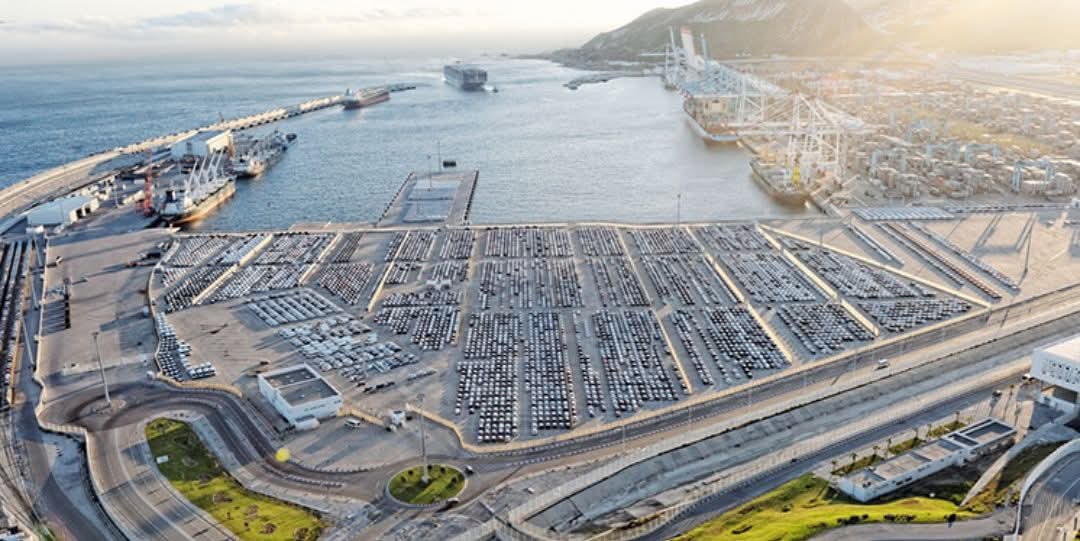
Automotive manufacturing remains one of Morocco’s leading industrial activities and a major contributor to exports. The aerospace sector has also continued to strengthen its position, while food processing, textiles and electronics industries have maintained steady growth. Together, these sectors have helped create a more diversified economic structure capable of withstanding external shocks.
Tourism has emerged as another important source of economic momentum. Following the recovery of international travel and sustained investment in tourism infrastructure, the sector has contributed significantly to foreign currency earnings and employment. Services, including transport, logistics and financial activities, have also supported economic performance.
A key factor behind the optimistic outlook for 2026 is the anticipated recovery of agricultural production. After several years during which drought conditions weighed heavily on output, improved rainfall during the current agricultural season has significantly enhanced production prospects.
Economic analysts expect agricultural value added to increase by approximately 15% during 2026. Grain production is projected to exceed 90 million quintals, a substantial improvement compared with harvests of between 30 million and 40 million quintals recorded during some of the recent drought years.
The recovery of agriculture is particularly important because of the sector’s broad economic and social impact. Agriculture remains a major source of employment and income for large segments of the population, especially in rural areas. Stronger agricultural output is therefore expected to stimulate domestic demand and support overall economic activity.
Government officials have also highlighted the expansion of Morocco’s economic output in recent years. The country’s gross domestic product is estimated to have reached approximately $180 billion, compared with around $140 billion at the beginning of the current government term. This increase reflects both higher economic activity and the continued development of productive sectors.
The growth outlook is further supported by ongoing public and private investment programs, infrastructure development and efforts to improve the business environment. Authorities have continued to promote industrial development, renewable energy projects and logistics infrastructure as part of broader strategies aimed at strengthening competitiveness and attracting investment.
Despite the positive forecasts, economists stress that economic growth alone should not be considered the sole measure of success. While a growth rate exceeding 5% would represent a significant achievement, many analysts argue that the real challenge lies in ensuring that economic expansion translates into tangible benefits for citizens.
Employment remains one of the most important concerns. Morocco continues to face challenges related to youth unemployment and labor market integration. Experts note that stronger growth must be accompanied by sufficient job creation to absorb new entrants into the workforce and improve economic opportunities across different regions.
Purchasing power is another key issue. Although higher growth can support income generation and investment, its impact on households ultimately depends on how economic gains are distributed and whether they contribute to improving living standards.
Analysts also point to the importance of supporting businesses, particularly small and medium-sized enterprises, which play a central role in job creation and economic activity. Ensuring access to financing and maintaining a favorable business climate are viewed as essential elements for sustaining long-term growth.
Looking ahead, 2026 is expected to serve as an important test for Morocco’s economic strategy. The combination of stronger agricultural production, expanding industrial activities and resilient service sectors provides a favorable foundation for growth. However, the broader objective remains transforming economic expansion into inclusive development that generates employment, strengthens household incomes and improves social conditions.
If current projections are realized, Morocco would record one of its highest growth rates in recent years, reinforcing confidence in the economy’s resilience and its ability to pursue long-term development goals while navigating an increasingly complex global economic landscape.