

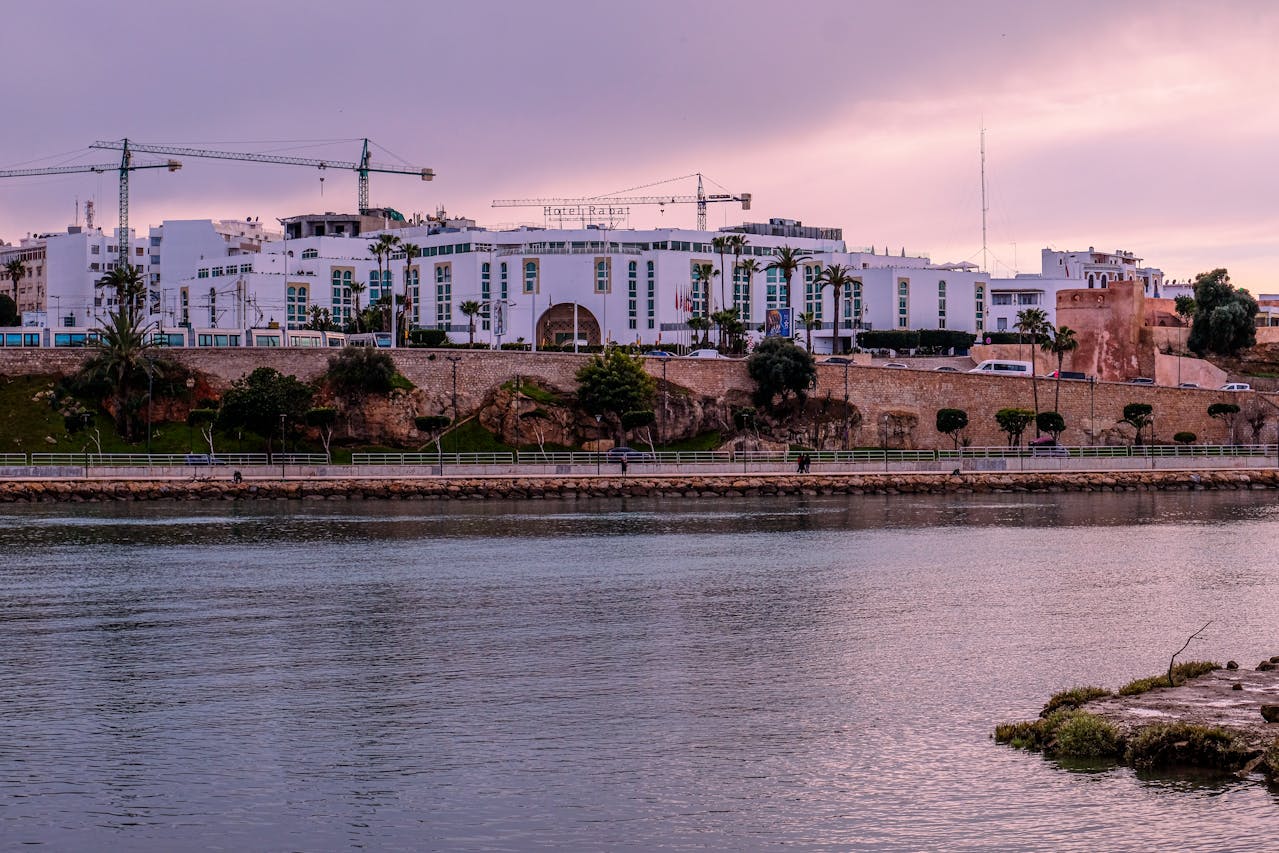


Casablanca – Morocco is consolidating its role as one of the leading forces shaping Africa’s rapidly expanding hotel industry, supported by sustained growth in tourism demand and increasing international investment in hospitality infrastructure. According to the latest findings from W Hospitality Group’s report “Hotel Chain Development Pipelines in Africa 2026,” the country continues to rank second on the continent in terms of hotel projects under development, behind Egypt, within a record African pipeline.
Across Africa, hotel development activity has reached unprecedented levels. The continent currently counts 675 hotels and resorts under development, representing a total of 123,846 rooms. This marks an annual increase of around 18.6%, reflecting a broader acceleration in tourism-related investment. Africa is also identified as the fastest-growing region globally in terms of international tourism demand, a trend that continues to attract global hotel operators and institutional investors.
Within this continental landscape, Morocco stands out with 75 hotels under construction or in development, totaling approximately 10,606 rooms. This positions the country firmly in second place in Africa, ahead of several major tourism markets including Nigeria, Kenya, Ethiopia, and South Africa. Egypt remains the clear leader, with 185 hotels and 45,984 rooms in the pipeline, accounting for more than one-third of the continent’s total planned hotel capacity.
Despite the gap with Egypt, Morocco’s performance is notable not only for its scale but also for its execution rate. Around 6,859 of the 10,606 planned rooms are already under construction, representing approximately 64.7% of its total pipeline. This relatively high conversion rate from planned projects to active construction places Morocco among the more advanced hotel development markets in Africa, where delays between announcements and actual implementation remain a common challenge.
The Moroccan hotel pipeline reflects a diversified investment strategy, with projects concentrated in key urban and tourism hubs such as Marrakech, Casablanca, and Tangier. These cities continue to attract international hotel chains, supported by improved infrastructure, rising air connectivity, and growing visitor demand. The average size of hotel projects in Morocco is estimated at around 141 rooms per property, suggesting a focus on mid-to-large scale developments that combine international standards with flexible market positioning.
At the continental level, hotel development remains highly concentrated. The top ten African markets account for nearly 79% of all rooms under development and more than 75% of new project announcements. Within this group, North Africa plays a dominant role, with Morocco and Egypt together representing more than 45% of the continent’s total pipeline. This concentration highlights the importance of a limited number of key destinations in driving Africa’s hospitality expansion.
However, regional differences remain evident. While North Africa leads in total project volume, East Africa is currently experiencing faster execution rates. Countries such as Kenya, Ethiopia, and Tanzania report that more than 75% of their hotel projects are already under construction, indicating a faster pace of implementation compared to other regions.
International hotel groups continue to play a central role in shaping this development cycle. Marriott International leads the African pipeline with more than 31,700 rooms under development, followed by Hilton, Accor, IHG, and Radisson Hotel Group. Collectively, these five global operators account for approximately 80% of all hotel projects and rooms in development across the continent, underscoring the strong influence of established international brands in Africa’s hospitality sector.
The outlook for new openings remains significant, with more than 65,000 hotel rooms expected to come online between 2026 and 2027. However, industry reports caution that actual delivery volumes may fall short of projections due to ongoing challenges such as financing constraints, construction delays, and regulatory bottlenecks. These structural factors continue to affect the pace of hotel expansion across several African markets.
For Morocco, the expansion of hotel capacity is closely linked to national tourism development objectives. Authorities have focused on strengthening air connectivity, improving accommodation infrastructure, diversifying tourism offerings, and enhancing service quality across regions. These efforts are aligned with the country’s ambition to position itself as a leading tourism destination in Africa and to support rising visitor numbers.
Tourism performance has already reflected this strategy, with Morocco recording 19.8 million visitors in 2025, an increase of around 14% compared to the previous year. The country is approaching the symbolic milestone of 20 million annual tourists for the first time, reinforcing expectations of continued demand for hotel expansion.
Looking ahead, Morocco’s position in the African hotel development landscape is expected to remain strong, supported by sustained investor interest, ongoing infrastructure upgrades, and preparations for major international events, including the 2030 FIFA World Cup. Within an increasingly competitive continental market, the country’s combination of project scale, execution rate, and tourism growth continues to reinforce its status as a key hospitality hub in Africa.


