

Casablanca – Morocco and Ukraine have taken a significant step toward deepening their economic and logistical cooperation with the signing of a new international road transport agreement, marking a notable development in bilateral relations between the two countries. The agreement, concluded on the sidelines of a major global transport forum held in Istanbul in late June 2025, lays the groundwork for the launch of international road transport operations between Morocco and Ukraine starting in 2026.
The accord establishes a comprehensive legal and regulatory framework governing the transport of goods and passengers by road between the two countries, while also organizing transit operations across third countries and setting clear rules for the exchange of transport permits. It is designed to remove procedural barriers, improve predictability for transport operators, and enhance the overall efficiency of cross-border logistics.
This agreement holds particular significance given its broader geopolitical and economic context. For Ukraine, it represents a strategic effort to diversify international transport corridors and reinforce supply chains at a time when maintaining access to global markets remains a priority. By expanding partnerships beyond its traditional regional sphere, Ukraine aims to secure alternative routes for exports and imports, strengthen its logistics sector, and ensure the continuity of trade flows.
For Morocco, the agreement aligns with its long-standing strategy to position itself as a key logistics and transit hub linking Africa, Europe, and Eurasia. The country has invested heavily over the past decade in transport infrastructure, port capacity, and connectivity corridors, allowing it to play an increasingly central role in international trade networks. Establishing direct road transport links with Eastern Europe supports this ambition and opens new opportunities for Moroccan transport operators and exporters.
According to official planning documents released by the Ukrainian authorities, the launch of transport operations with Morocco is scheduled for 2026, following the entry into force of the agreement and the completion of the necessary technical and administrative preparations. These plans form part of a broader national strategy to modernize the transport sector, expand digital services, and align regulatory frameworks with European standards.
The upcoming phase includes the introduction of electronic permit exchange systems, expanded digitalization of transport procedures, and the simplification of licensing processes for international carriers. Pilot projects are expected to test the interoperability of electronic authorizations with partner countries, including Morocco, in order to reduce administrative delays and improve transparency.
In parallel, Ukraine plans to continue upgrading border infrastructure and enhancing the efficiency of land crossings, while ensuring compliance with safety, environmental, and technical requirements. These measures are intended to facilitate smoother transit flows and support the growth of international road transport despite ongoing regional challenges.
The agreement also benefits from a favorable European context. The extension of transport facilitation arrangements between Ukraine and the European Union through the end of 2025 ensures continued access to European road networks, making long-distance transport routes linking Ukraine, Europe, and North Africa more viable. This regulatory continuity strengthens Morocco’s potential role as a logistical gateway for Ukrainian goods destined for African markets.
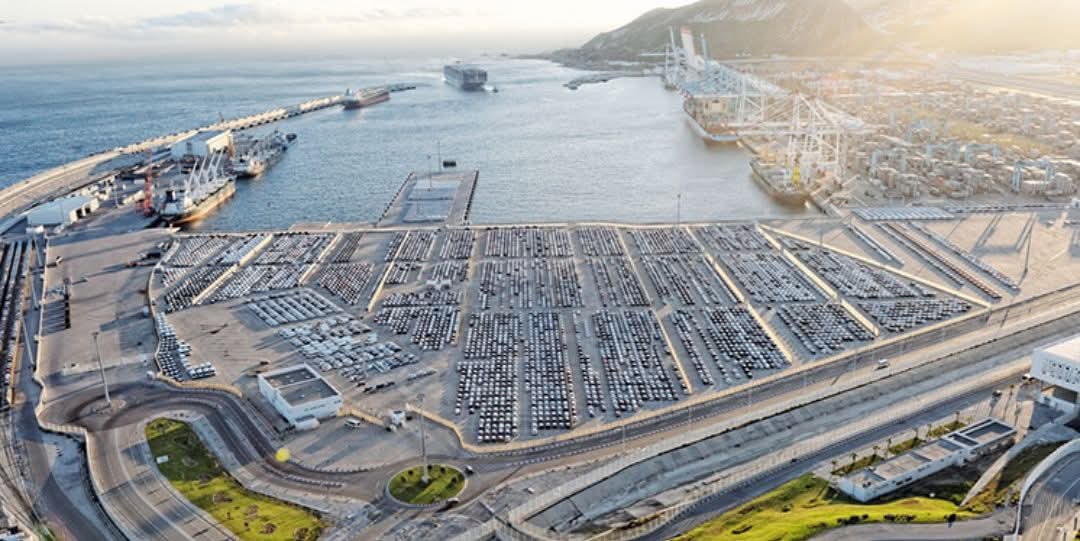
Analysts note that the agreement could support the movement of a wide range of products, including agricultural commodities, industrial inputs, and manufactured goods. Moroccan ports, particularly large-scale logistics platforms on the Mediterranean and Atlantic coasts, are expected to play a key role in maritime connections complementing road transport routes. This multimodal approach could enhance supply chain resilience and reduce dependency on limited corridors.
Beyond trade, the agreement also covers the transport of passengers, opening prospects for future mobility links once conditions allow. While freight transport is expected to dominate initial operations, passenger services may gradually develop as regulatory and commercial frameworks mature.
To oversee implementation, the agreement provides for the establishment of a joint bilateral committee responsible for monitoring progress, addressing technical issues, and ensuring effective coordination between the two sides. This mechanism is intended to facilitate dialogue, resolve operational challenges, and adapt the agreement to evolving needs.
Despite its strategic promise, the implementation phase is not without challenges. Establishing regular long-distance road routes requires harmonization of technical standards, coordination with transit countries, and sustained investment in logistics capacity. However, both sides have emphasized their commitment to addressing these constraints through phased implementation and institutional cooperation.
The Morocco–Ukraine international road transport agreement represents more than a technical arrangement. It reflects a broader convergence of economic interests and strategic priorities, as both countries seek to strengthen connectivity, diversify partnerships, and adapt to shifting global trade dynamics. As preparations continue toward the planned launch in 2026, the agreement is expected to gradually reshape transport links between North Africa and Eastern Europe, creating new opportunities for trade, logistics, and regional integration.