

Casablanca – Morocco’s food security situation remains broadly stable, supported by favorable climatic conditions and structural advantages, according to recent assessments by the World Bank and other international institutions. This relative stability comes at a time when several countries across North Africa and the Middle East continue to face significant volatility and rising food insecurity.
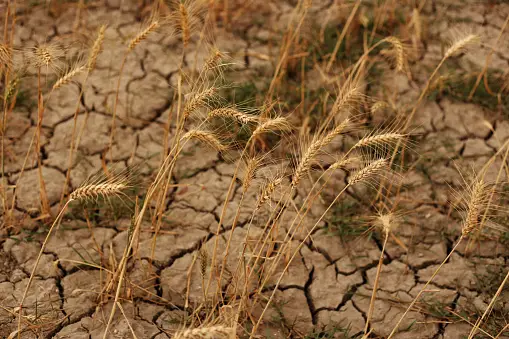
Recent rainfall has played a central role in reinforcing Morocco’s agricultural performance during the latest farming season. Improved precipitation has helped revive crop production and replenish water reserves, particularly in dams, where filling rates have reached high levels in multiple regions. This recovery has strengthened the country’s capacity to maintain consistent food supply conditions and mitigate the impact of external shocks.
The World Bank highlights that Morocco is among a group of countries in the region—including Algeria and Tunisia—where food security conditions remain relatively stable. However, this stability contrasts sharply with the situation in several other countries facing deep structural and economic challenges.
In Yemen, food products are generally available in markets, but high prices have significantly reduced affordability. As a result, around 63% of households are unable to meet their minimum food needs. A similar pattern is observed in Afghanistan, where rising costs of essential goods, declining household incomes, and restricted access to markets have contributed to a deterioration in food security. Several areas are considered at risk of entering severe levels of food insecurity.
Syria continues to face persistent challenges despite some improvement recorded in 2025. Years of internal conflict have left lasting economic and social impacts, and nearly 80% of the population is still affected by food insecurity. Regional disparities within the country remain pronounced, highlighting uneven recovery dynamics.
In Lebanon, food insecurity has also intensified amid a complex crisis environment. Between late 2025 and early 2026, approximately 17% of the population experienced crisis-level food insecurity or worse. Ongoing military tensions and population displacement have further strained access to food and basic services, complicating recovery efforts.
Within this regional context, Morocco’s recent agricultural recovery stands out. The return of rainfall has not only supported crop yields but also contributed to a notable improvement in water availability. Several dams have reached filling levels above 90%, while the national average has surpassed 70%. These developments are particularly significant in a country where water scarcity has been a recurring challenge in recent years.
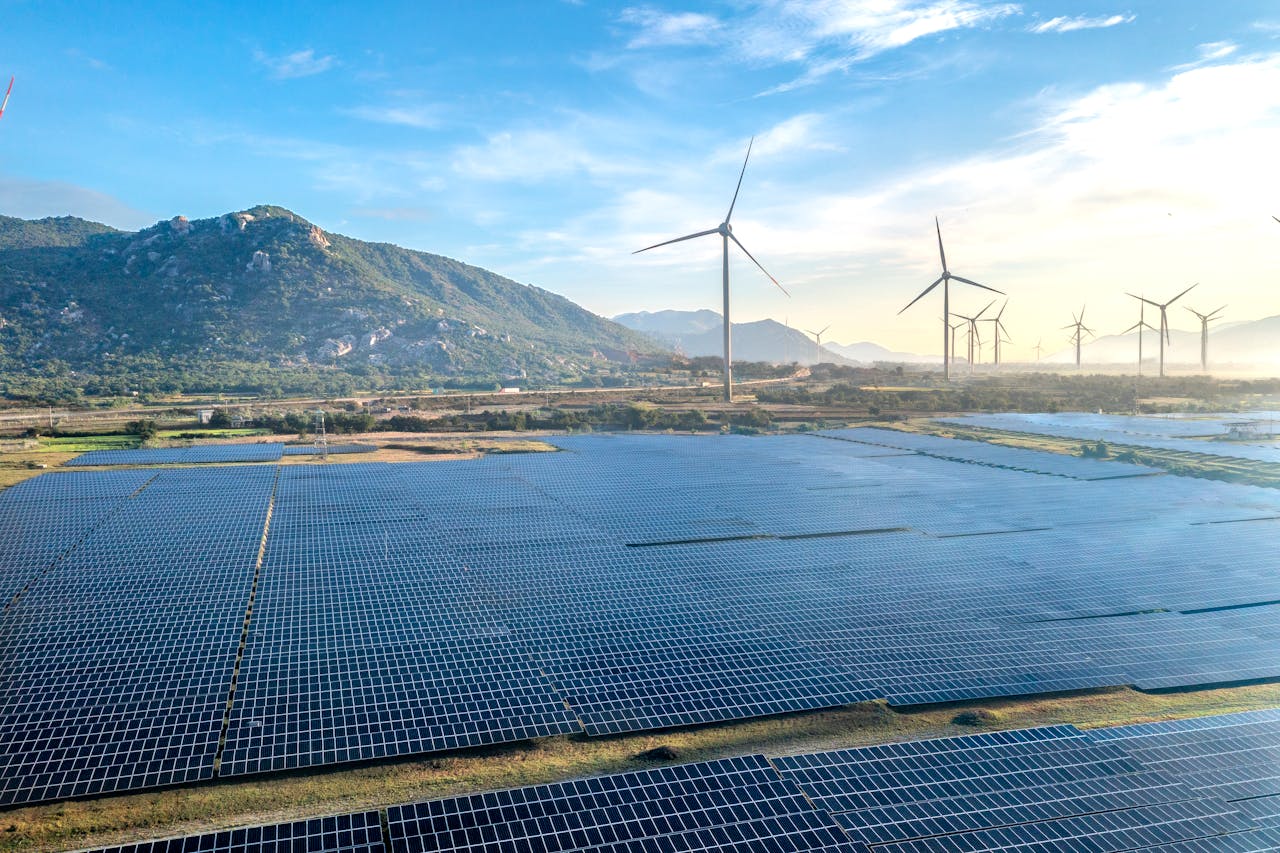
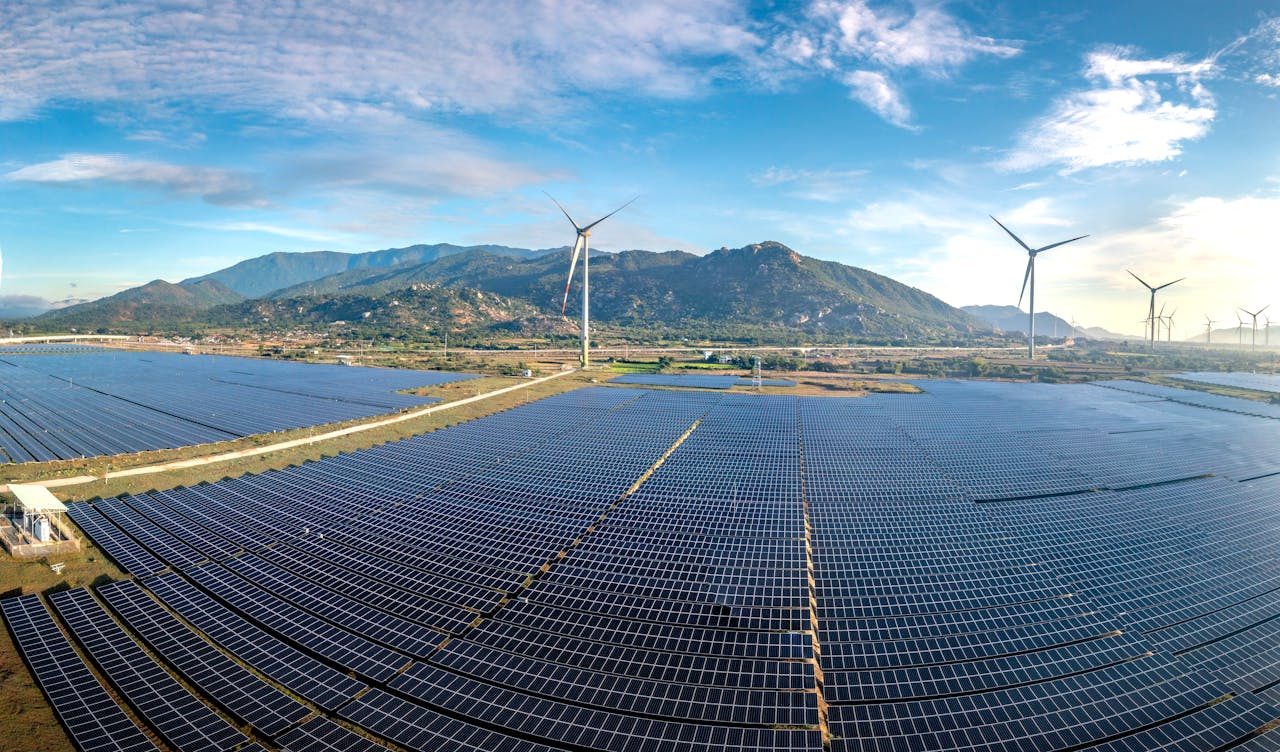
Beyond short-term climatic improvements, Morocco’s position in global agricultural systems is reinforced by deeper structural factors. A report published earlier this year by the World Economic Forum highlights the country’s growing role as a strategic player in food geopolitics. The report describes Morocco as an emerging model for balancing food security objectives with the transition toward more sustainable energy systems.
One of Morocco’s key advantages lies in its phosphate resources. The country holds approximately 70% of global phosphate reserves and ranks among the world’s leading exporters of fertilizers. Phosphate, combined with nitrogen and potassium, is a critical component for maintaining soil fertility and supporting agricultural productivity worldwide. This position gives Morocco a significant role in global food supply chains, particularly as demand for agricultural inputs continues to rise.
The World Economic Forum also emphasizes the broader global challenge of ensuring food security while addressing climate change. The world’s population is projected to reach nearly 9.8 billion by 2050, increasing pressure on agricultural systems. At the same time, food production is responsible for about one-third of global greenhouse gas emissions, making the transition to more sustainable practices an urgent priority.
In this context, Africa presents both opportunities and challenges. Despite holding around 65% of the world’s uncultivated arable land, the continent remains a net importer of food. This imbalance—often referred to as the “African paradox”—underscores the need for investment in sustainable agricultural models, improved infrastructure, and greater regional integration.
Morocco’s approach is increasingly seen as part of the solution to this challenge. By combining investments in agriculture, water management, and renewable energy, the country is working to strengthen its resilience while contributing to broader regional and global food security efforts.
The current outlook indicates that Morocco has managed to maintain a stable food security environment despite external pressures. Continued attention to climate variability, resource management, and structural reforms will remain essential to sustaining this stability in the years ahead, particularly as global uncertainties persist.